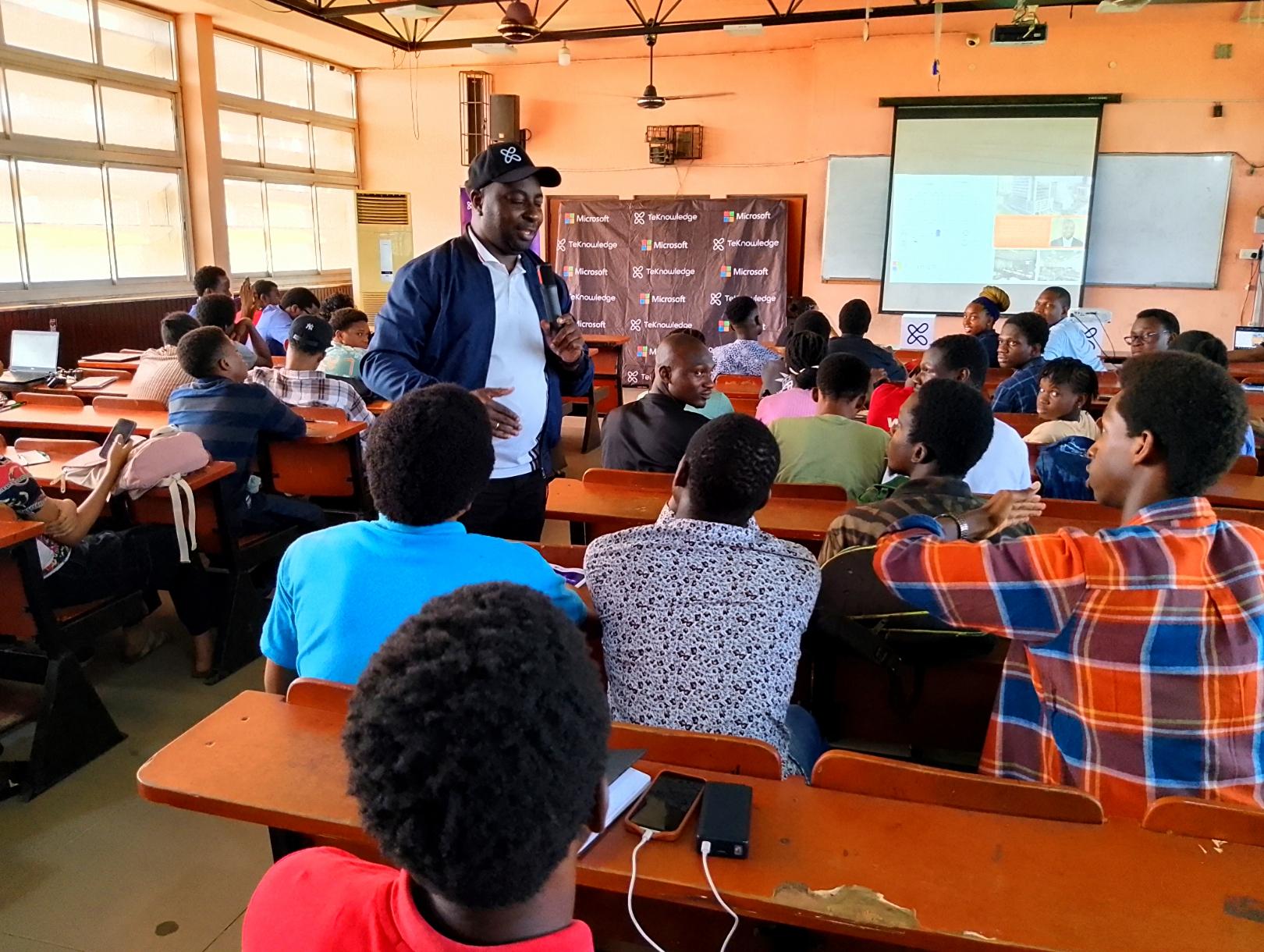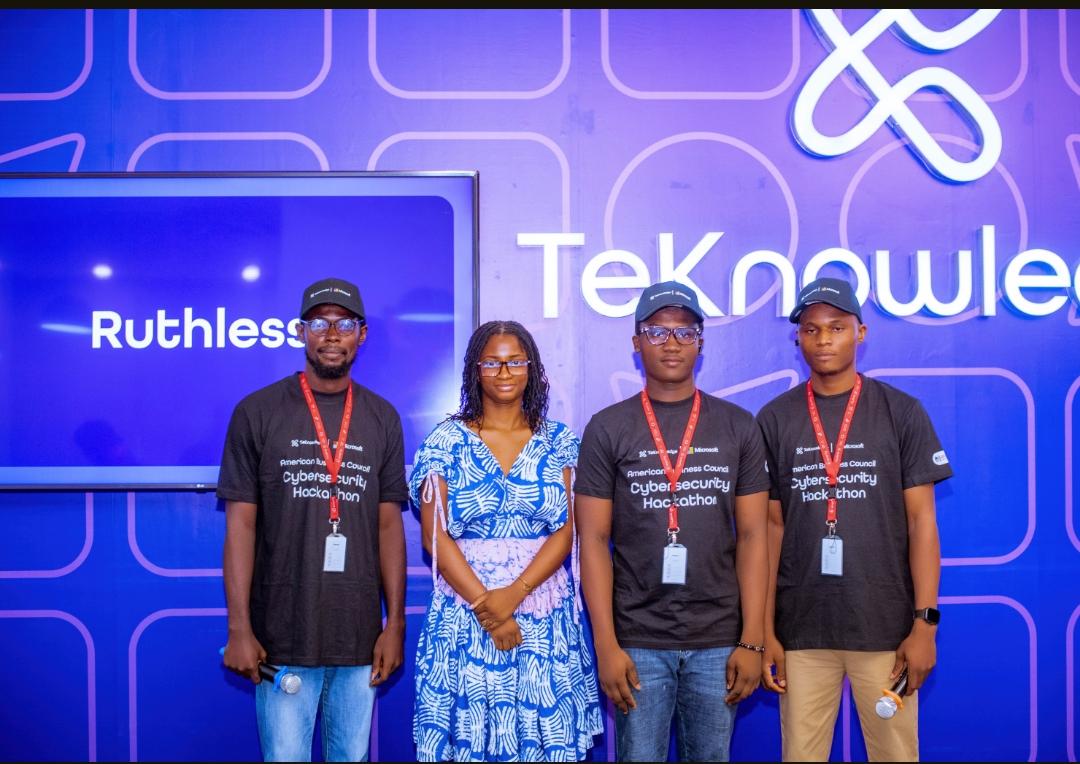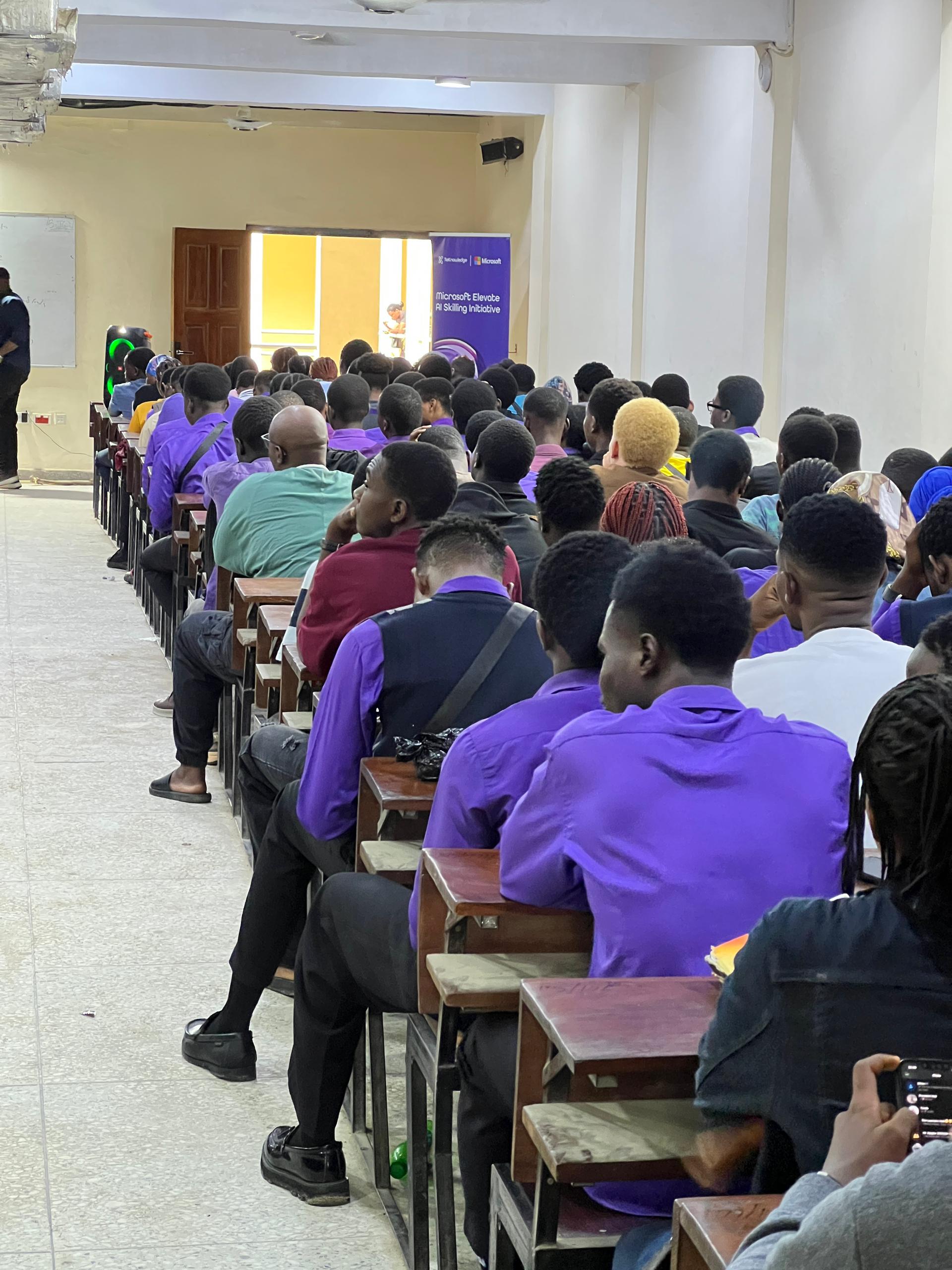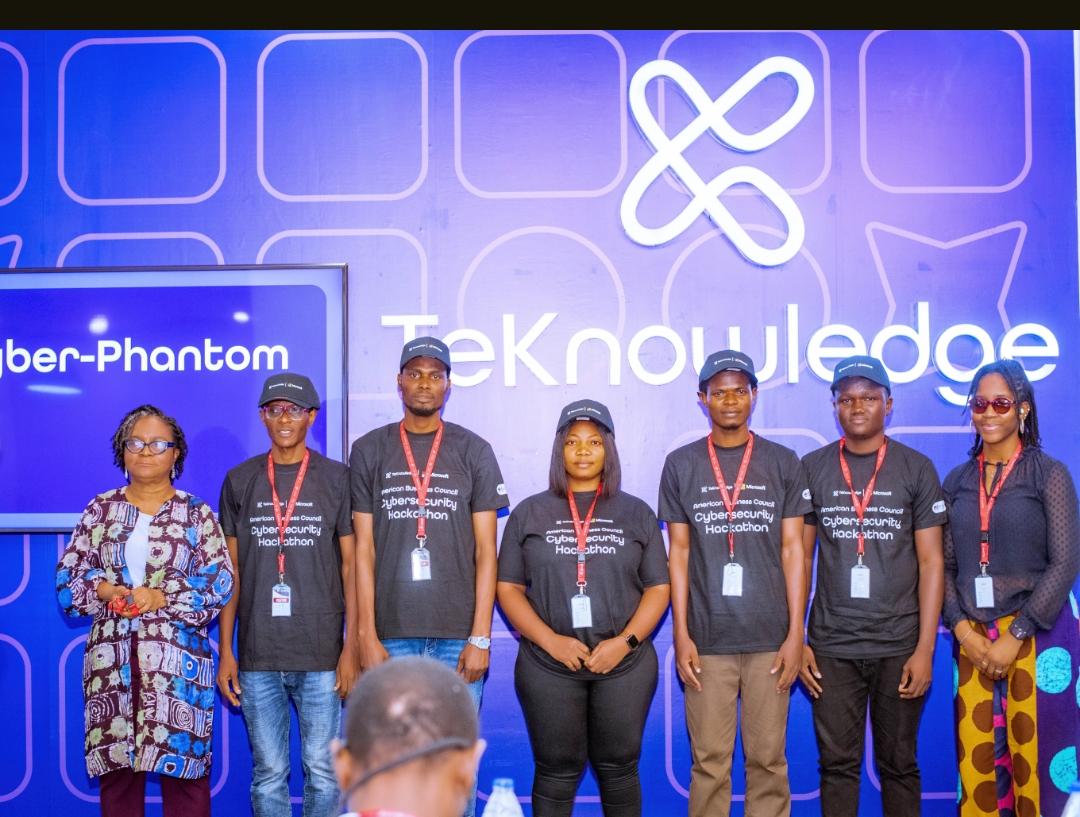
Stay Ahead with Expert-Led Insights

Navigating Complexity. Driving Progress. Creating Lasting Impact.

Welcome to the TeKnowledge Insights hub! Here, you’ll find a blend of strategic perspectives, real-world case studies, and expert analysis designed to empower organizations to navigate challenges and seize new opportunities.

Explore the insights that matter most. Stay informed, gain new perspectives, and discover how businesses worldwide are unlocking new opportunities with TeKnowledge.

Stay Ahead with Expert-Led Insights

Navigating Complexity. Driving Progress. Creating Lasting Impact.

Welcome to the TeKnowledge Insights hub! Here, you’ll find a blend of strategic perspectives, real-world case studies, and expert analysis designed to empower organizations to navigate challenges and seize new opportunities.

Explore the insights that matter most. Stay informed, gain new perspectives, and discover how businesses worldwide are unlocking new opportunities with TeKnowledge.

All Categories

The latest developments, strategic partnerships and milestones.

Author: No Author

From Partnership to Impact: How the Microsoft Elevate AI Skilling Initiative Is Building Nigeria’s AI-Ready Workforce

Empowering Talent. Creating Opportunities. Transforming Lives.

When we launched the Microsoft Elevate AI Skilling Initiative through our partnership announcement with Microsoft in March 2026, the goal was ambitious: democratize access to AI skills, equip future-ready talent, and create meaningful economic opportunities at scale. Through structured training targeted at youth, women, executives, government stakeholders, entrepreneurs, and developers, the program began with a clear mission to expand access to practical AI education across Nigeria.

Months later, that vision has evolved into one of the most impactful AI skilling initiatives in Nigeria. What began as a series of targeted learning interventions has grown into a nationwide ecosystem connecting students, graduates, professionals, developers, women, business leaders, government beneficiaries, and employers through AI education, certification, innovation challenges, and career opportunities. Across two waves, the initiative has reached more than 114,000 individuals and delivered training to over 16,000 learners across AI, Data Analytics, Cybersecurity, DevOps, and other emerging technologies.

Initiative Impact at a Glance

  • 114,000+ people reached
  • 16,000+ participants trained
  • 4000+ NYSC members trained
  • 3,000+ UNICAL students trained in Nigeria’s largest undergraduate AI skilling session
  • 26 developer teams mentored
  • 50+ partner organizations
  • 50+ employers engaged
  • 300+ interviews conducted
  • 100+ candidates advanced in recruitment processes
  • 4.5/5 participant satisfaction rating


A cross section of National Youth Corps Members being engaged on AI Fluency


But the true success of the initiative cannot be measured in numbers alone. It can be seen in the student discovering AI for the first time, the graduate securing an interview through the Career Fair, the executive learning to harness generative AI in the workplace, and the innovators developing solutions capable of addressing some of Nigeria’s most pressing challenges in cybersecurity and telecommunications.


A Movement Built on Skills, Opportunity, and Inclusion: NYSC and Copilot for Executives

The Nigerian team at the NYSC Lagos camp at Iyana Ipaja


The first wave of the initiative laid a strong foundation by delivering AI and digital skills training across multiple learner segments. Through the National Youth Service Corps (NYSC), more than 4,000 corps members were introduced to AI-powered tools and future-of-work skills.

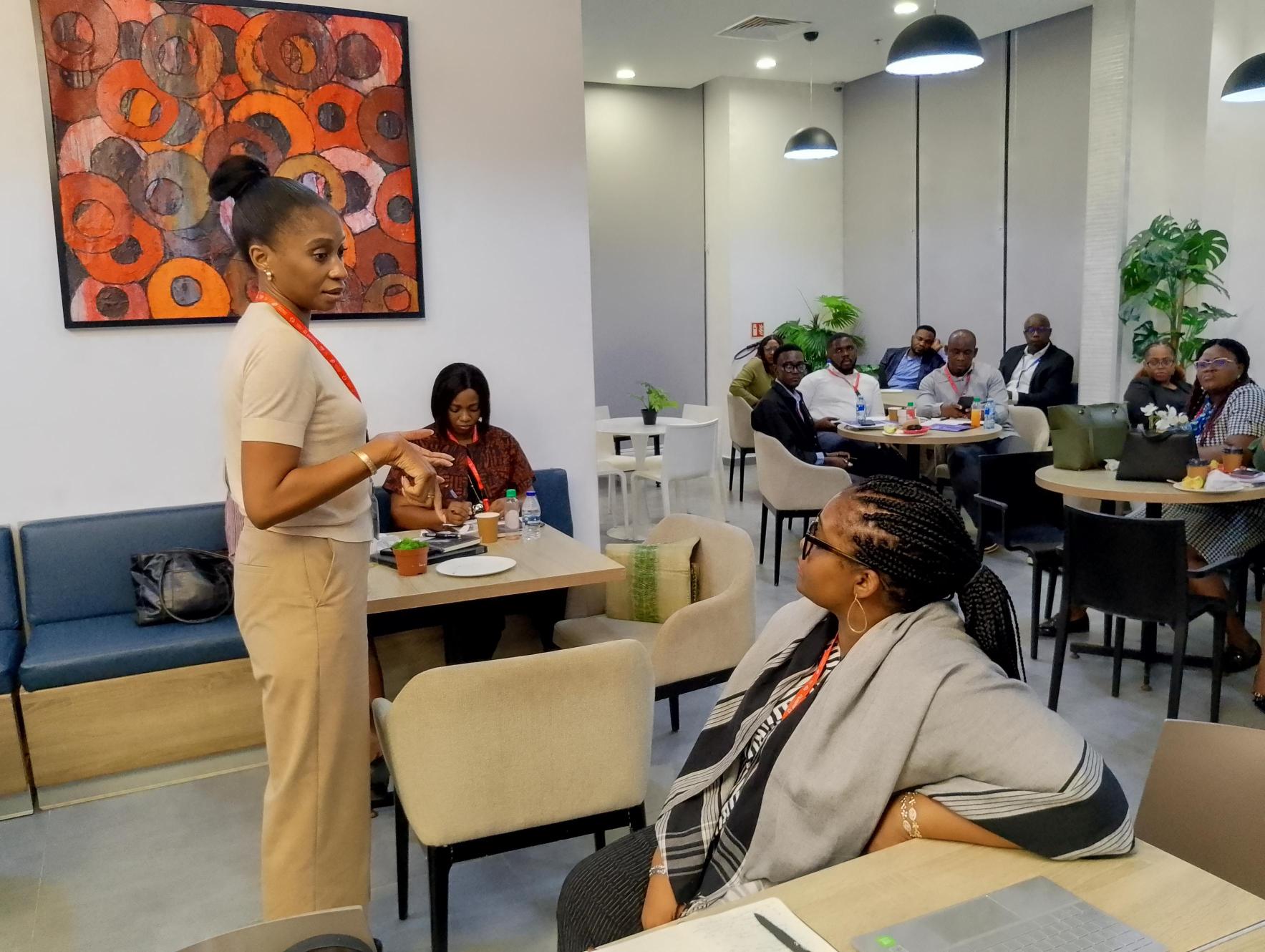
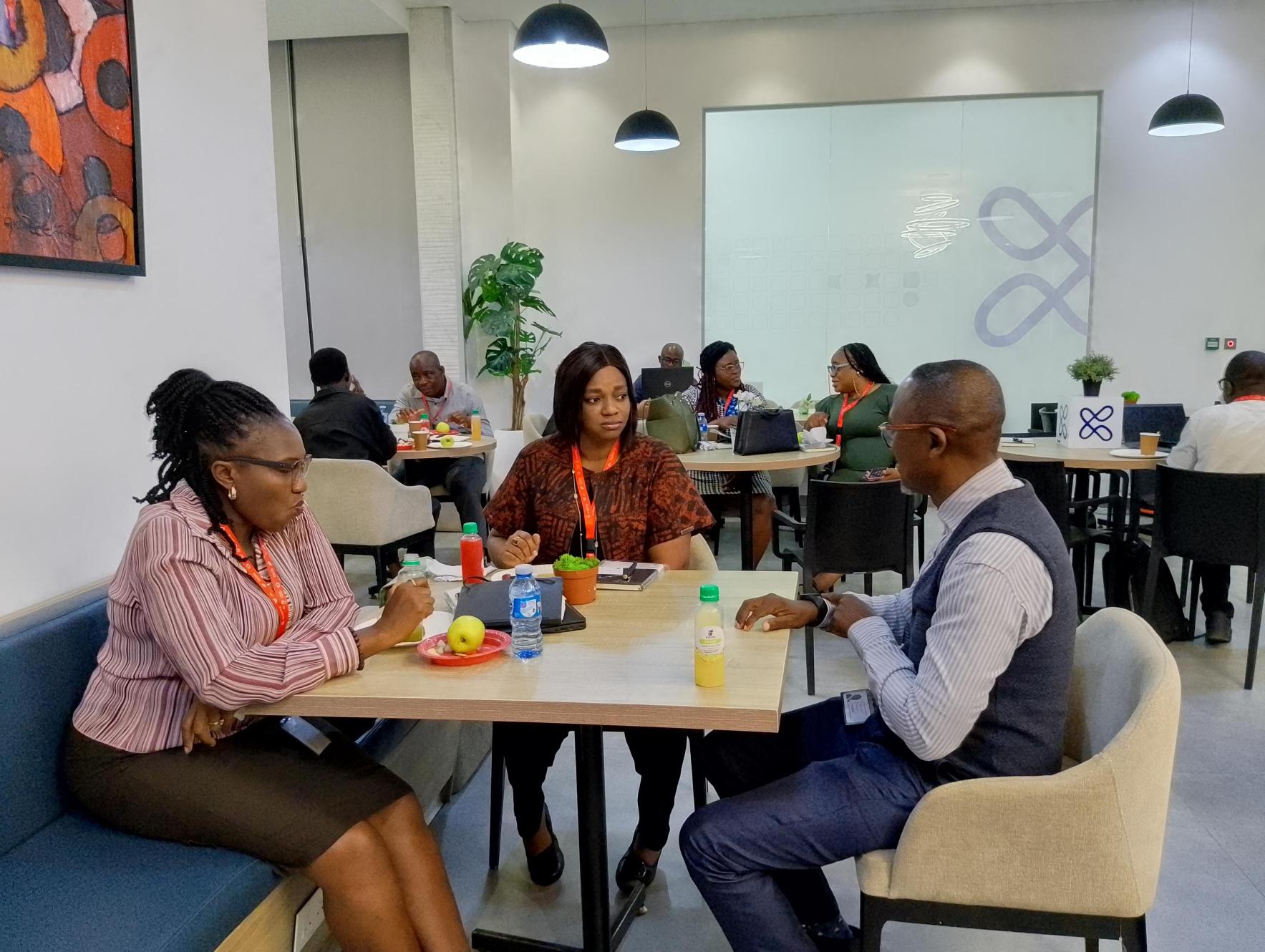
We also hosted the Copilot for Executives program, where Microsoft’s Director of Government Affairs, West Africa, Nonye Ujam, led an interactive discussion with more than 50 professionals and executives. The session addressed practical questions around AI deployment, cybersecurity, and business impact. She did not just talk about AI; she challenged leaders to rethink their assumptions about risk, speed, and the cost of standing still. Through real-world Copilot use cases, she demonstrated how AI is already improving productivity and influencing strategic decision-making across organizations. Participants also developed foundational knowledge in AI Fundamentals, Azure AI, Data Analytics, DevOps, and Cybersecurity. The Copilot for Executives program was subsequently delivered to Africa Women in Media (AWIM), among other professional organizations.
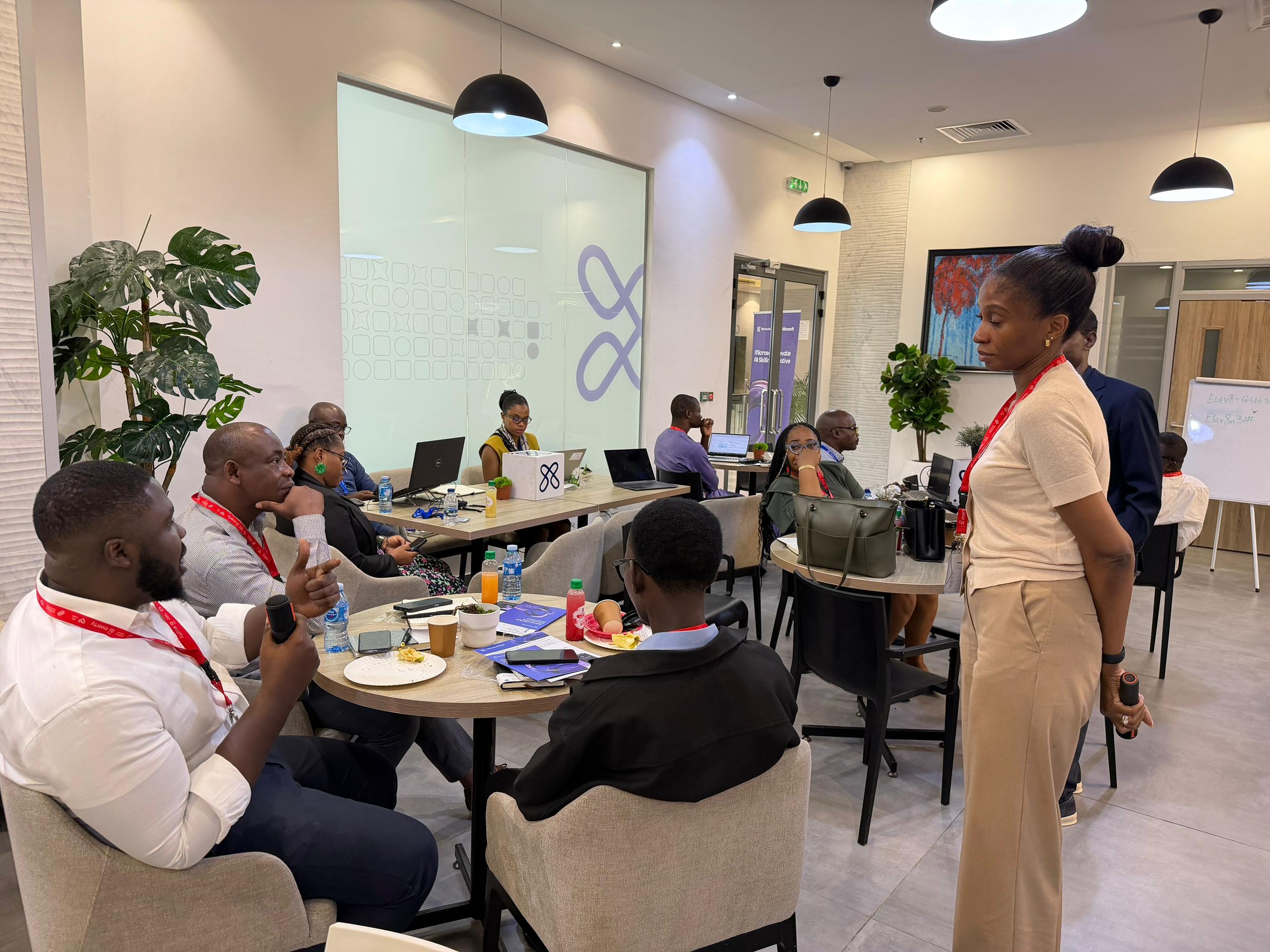
 

Nonye Ujam, Director, Government Affairs, West Africa, Microsoft


University students gained exposure to responsible AI and emerging technologies. Women-focused cohorts expanded access to technology careers, while executive sessions helped leaders understand how AI can accelerate productivity and innovation.

By May 2026 alone, Wave 1 had already surpassed its target, training nearly 9,000 participants against a target of more than 7,000 Nigerians and generating engagement from over 86,000 individuals nationwide.

Building on that momentum, Wave 2 expanded the reach of the initiative even further, delivering new learning cohorts in AI Fluency, Cybersecurity, and Data Analytics while extending AI literacy programs to schools and universities across Nigeria. The second phase reached more than 28,000 additional people, delivered over 8,000 training seats, and maintained an impressive 4.5/5 participant satisfaction score across training cohorts.


Making History at the University of Calabar

A cross section of the team and students at the University of Calabar


Among the initiative’s many achievements, one stands out as a defining milestone in Nigeria. In partnership with UNICEF under the YOMA programme and the University of Calabar, TeKnowledge delivered the largest AI skilling session ever conducted in a single sitting at a Nigerian university. With an initial target of about 2,000 students, more than 3,000 students across several faculties participated in the AI Fluency training within 120 minutes. The session introduced them to AI concepts, responsible AI practices, prompt engineering, and emerging digital skills required in an AI-powered economy. The team, led by Stephanie Imhoede, Country Learning Operations Leader; Emmanuel Bamidele, Programme Officer, UNICEF; Okim-Alobi Oyama, Marketing Manager-GTM Africa; Odianosen Ebhohimen, Programme Manager; and Ogodinma Odili, Experience Manager, arrived in Calabar for three days of intensive consultations with the Vice Chancellor, Prof. Offiong E. Offiong, represented through the Deputy Vice Chancellor, Academics, Prof. Ekaette Enang; the Director, Entrepreneurial Development Centre (EDC), Prof. Bassey Ebi; the Dean, Faculty of Communication and Media Studies, Prof. Esekong Andrew-Essien; and Prof. Emeritus, Department of Physiology, Prof. Eme Effiom Osim.

The team deployed classroom engagements reaching over 1,000 students, a radio jingle on UNICAL Radio International reaching over 15,000 listeners on campus, and outreach to several student bodies, groups, and associations. A 20-member student volunteer team was also established to support mobilization and coordination for the training.

A cross section of Students at the University of Calabar for the largest AI Training


UNICROSS, UNILAG, LASU

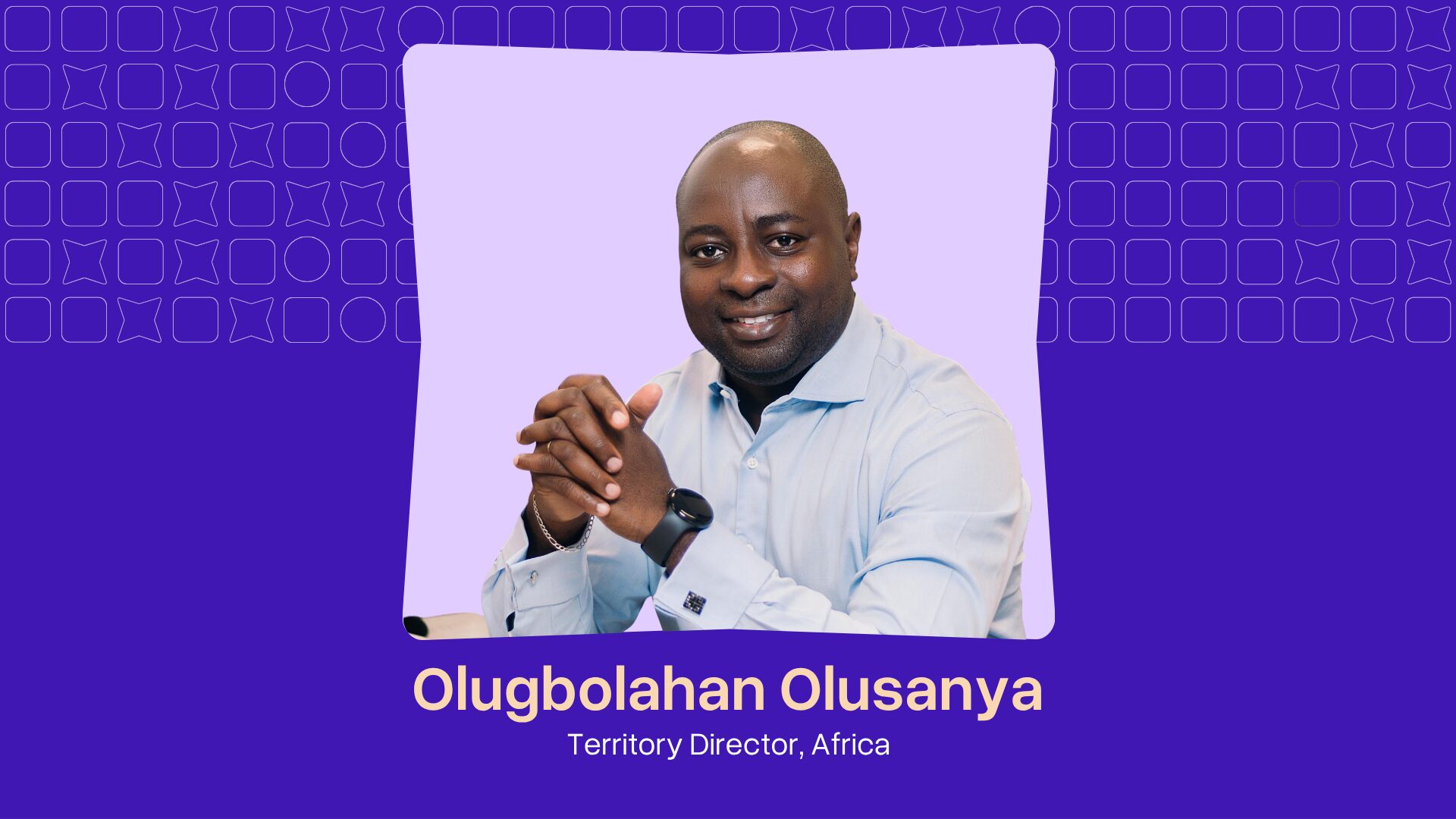
TeKnowledge also partnered with the University of Cross River State (UNICROSS), the University of Lagos (UNILAG), and Lagos State University (LASU) to deliver AI Fluency training to thousands of students. Olugbolahan Olusanya, Territory Director, Africa, delivered a session on AI and cybersecurity awareness at the University of Lagos, in addition to the program delivered by the skilling team. The initiative also extended to the Police Academy and the Nigeria Police Force.

The significance of this milestone extends beyond attendance numbers. It demonstrated the growing appetite among young Nigerians to participate in the AI revolution and reinforced the importance of providing equitable access to future-ready skills regardless of geographic location or academic discipline.
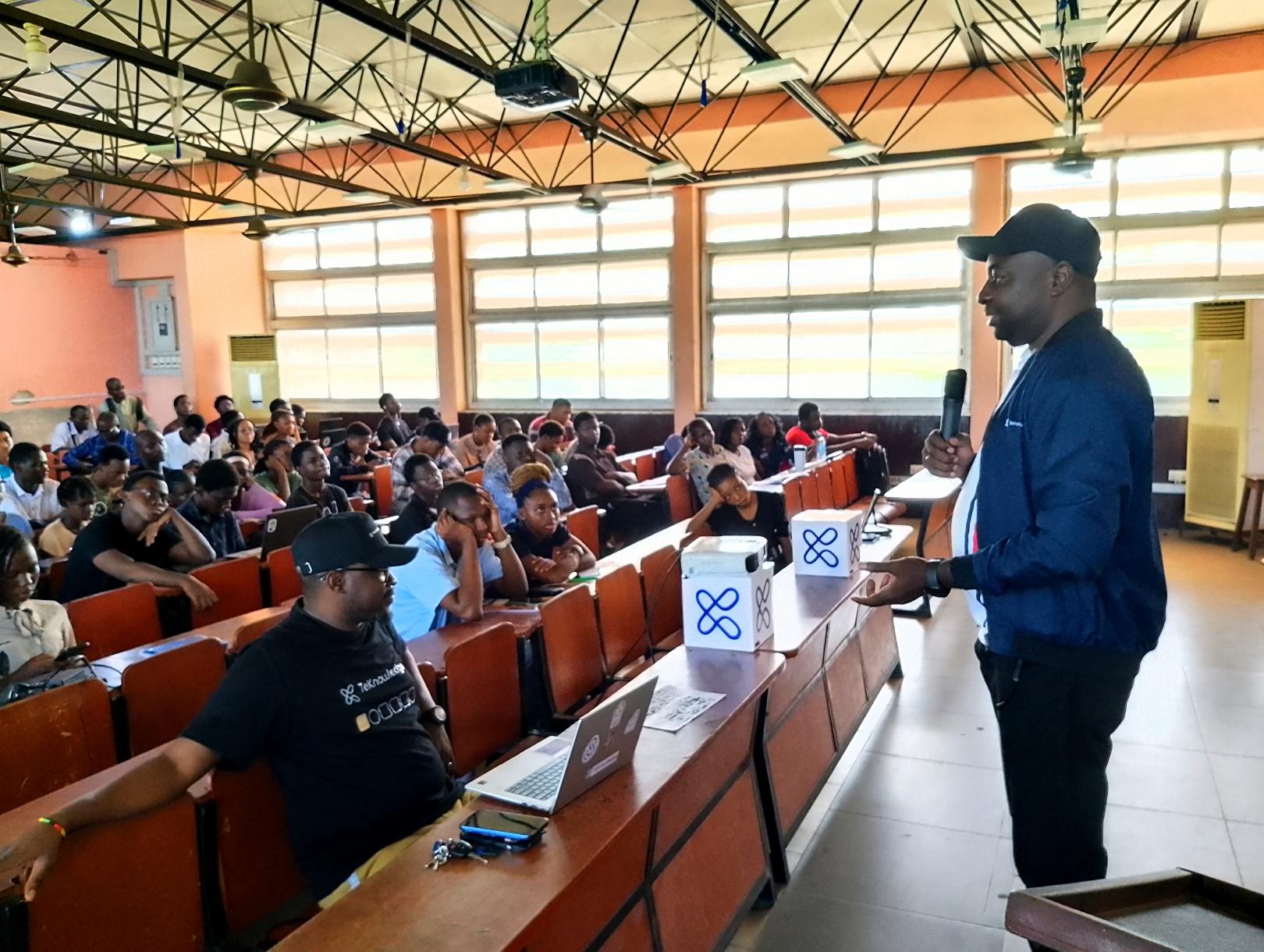
Olugbolahan Olusanya, Territory Director Africa, at UNILAG


From Classrooms to Careers

One of the most powerful aspects of the Microsoft Elevate AI Skilling Initiative is its focus on outcomes rather than training alone. Recognizing that skills development must ultimately lead to economic opportunity, TeKnowledge and Microsoft introduced the Microsoft Elevate AI Skilling Career Fair in partnership with the 3 Million Technical Talent (3MTT) program. The platform was designed to connect newly trained talent directly with employers.

The results were remarkable:

  • 50+ participating organizations
  • 500+ applicants engaged
  • 300+ interviews conducted
  • 100+ candidates progressed to the next stage of recruitment
  • Employers confirmed active hiring intentions following the events


For many participants, this was their first opportunity to engage directly with hiring organizations and showcase the skills acquired during the program. The Career Fair transformed the initiative from a learning program into a talent-to-employment pipeline.

With the 3MTT team at the TeKnowledge Career Fair 2026


Innovation in Action

The Microsoft Elevate AI Skilling Initiative also encouraged participants to apply their knowledge to real-world challenges. In partnership with the American Business Council (ABC), we organized the ABC Cybersecurity Hackathon, where young innovators developed AI-powered solutions addressing fraud prevention, cybersecurity, digital identity management, and enterprise intelligence. A total of 16 teams completed the competition and earned certifications.

Among the standout innovations were:

  • Automitigate, an AI-powered cybersecurity solution designed to detect and mitigate threats in real time.
  • FraudRadar, a collaborative fraud intelligence platform built for financial institutions.
  • FNDIG, an identity verification platform designed to streamline KYC processes across public and private sectors.

These solutions demonstrated that with the right skills and support, young African innovators can develop technologies capable of solving local and global challenges.
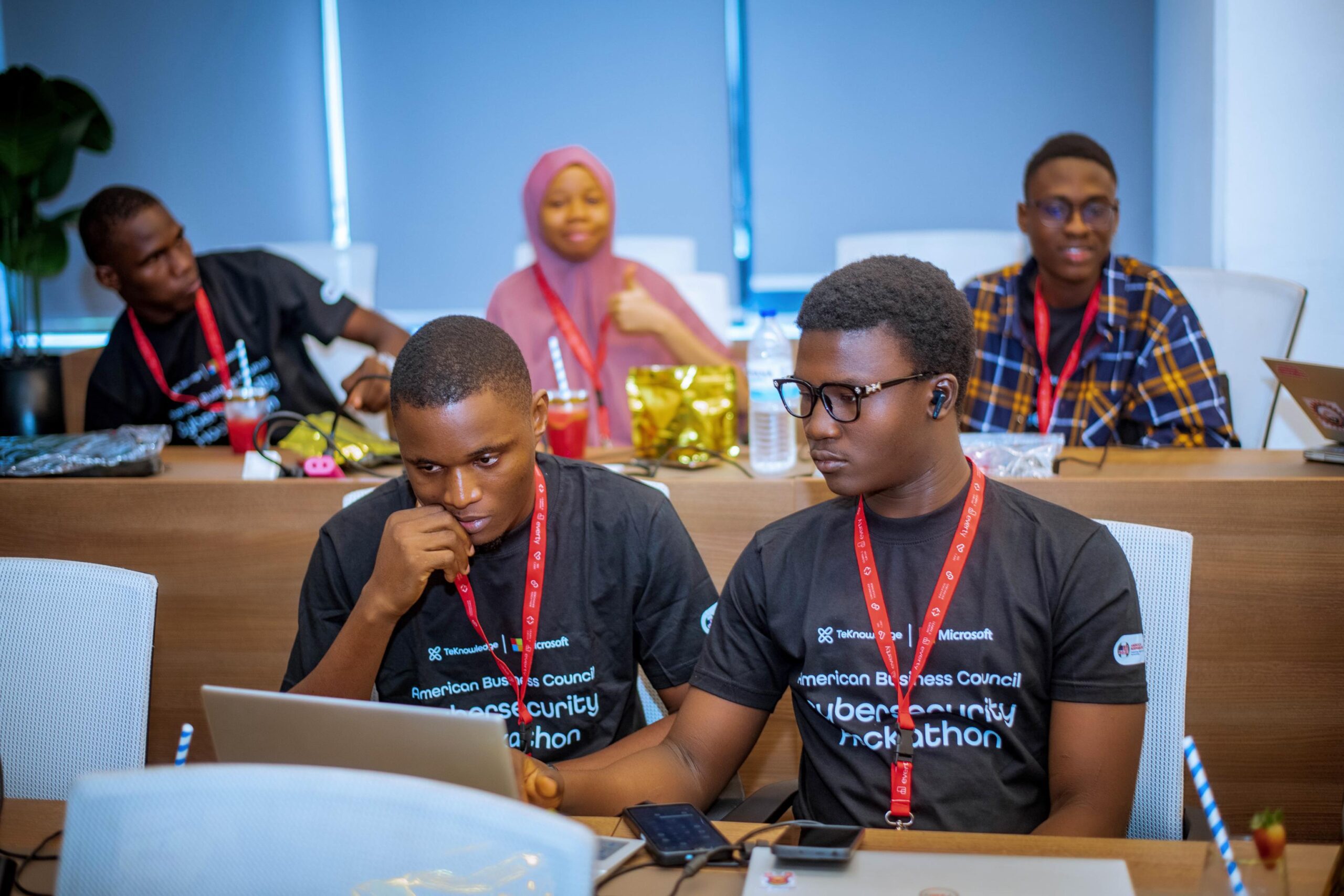
Developers at the ABC Cybersecurity Hackathon


From Learning to Innovation: Developers Build AI Solutions for the Telecom Industry

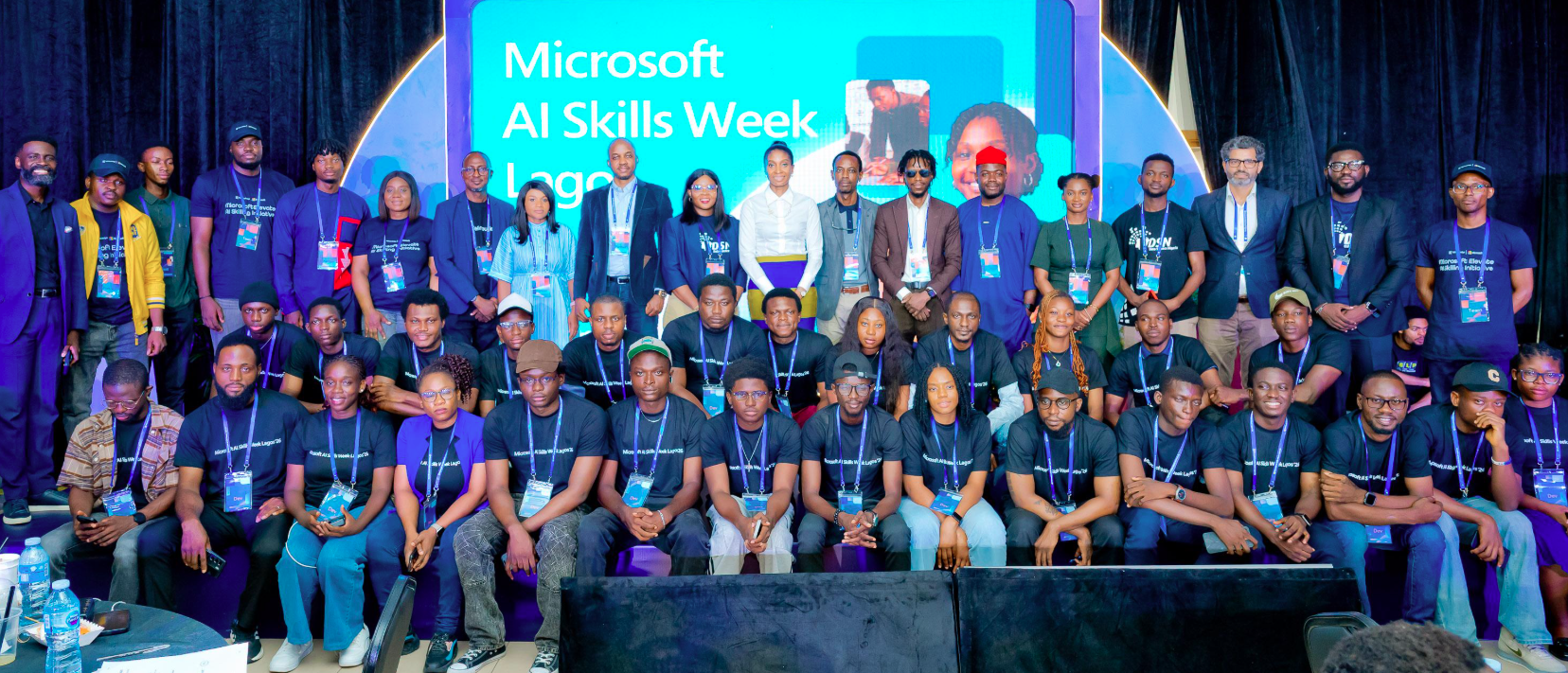
One of the most inspiring moments of the Microsoft Elevate AI Skilling Initiative came during the Microsoft AI Skills Week, where developers were challenged to go beyond theory and apply their newly acquired AI capabilities to solve real-world business problems.

Through the AZ-2005: Develop AI Agents Using Azure OpenAI and Azure Semantic Kernel programme, developers received hands-on training and mentorship in building intelligent AI solutions using Microsoft’s latest AI technologies. Following the training and mentorship, participants were presented with a telecom-focused innovation challenge based on an MTN Nigeria business case study. They were required to design AI-powered solutions capable of addressing operational and business challenges faced by telecommunications providers.

The response was extraordinary. Out of 10 teams, four developer teams emerged as standout innovators, applying Azure AI technologies to create practical solutions capable of improving operational efficiency, reducing losses, strengthening security, and enhancing customer experiences within the telecom sector.

Team IgniteCoders present their AI Solution at the Microsoft AI Skills Week


Team Atlas: Reimagining Document Intelligence

Team Atlas developed Iroko AI, an intelligent document management solution designed to address enterprise document intelligence challenges. Built using a multi-agent AI architecture, the solution analyzes, organizes, and extracts insights from large volumes of enterprise documentation, helping organizations unlock value from information that would otherwise remain inaccessible.


Team IgniteCoders: Enhancing Telecom Network Operations

Team IgniteCoders developed an AI-powered Network Operations Center (NOC) solution designed to help telecom operators monitor infrastructure in real time. By combining AI, IoT data, and automated operational workflows, the platform enables engineers to proactively monitor, diagnose, and respond to issues across thousands of telecommunications sites, improving uptime and operational efficiency.


Team Sentinel: Predicting and Preventing Service Disruptions

Team Sentinel introduced RiskGuard AI, a platform that consolidates multiple telecom data streams into a single intelligence layer capable of detecting anomalies, predicting outages, and recommending mitigation actions before disruptions impact customers. The solution demonstrated how AI can help telecommunications providers move from reactive operations to predictive resilience.


Team Kore: Customer Analytics – Increase Customer Value and Reduce Churn

Team Kore built CS360, an AI-powered customer retention agent designed to help telecom operators proactively identify customers at risk of churn and automatically deliver personalized offers based on customer behavior and preferences. By transforming vast customer data into real-time, actionable insights, the solution enables targeted interventions, improves customer loyalty and lifetime value, reduces revenue loss from churn, and scales retention efforts through intelligent automation.
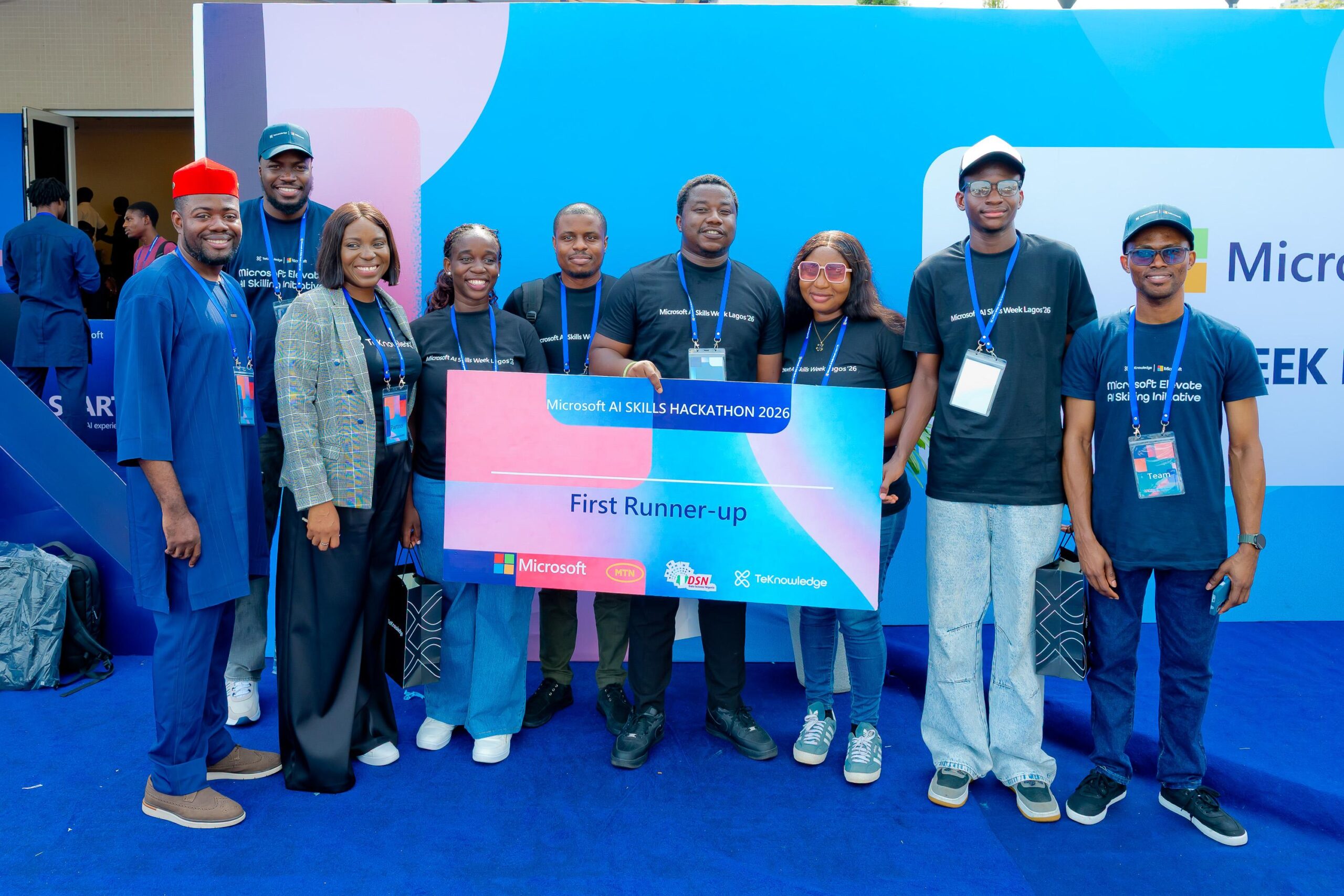
 

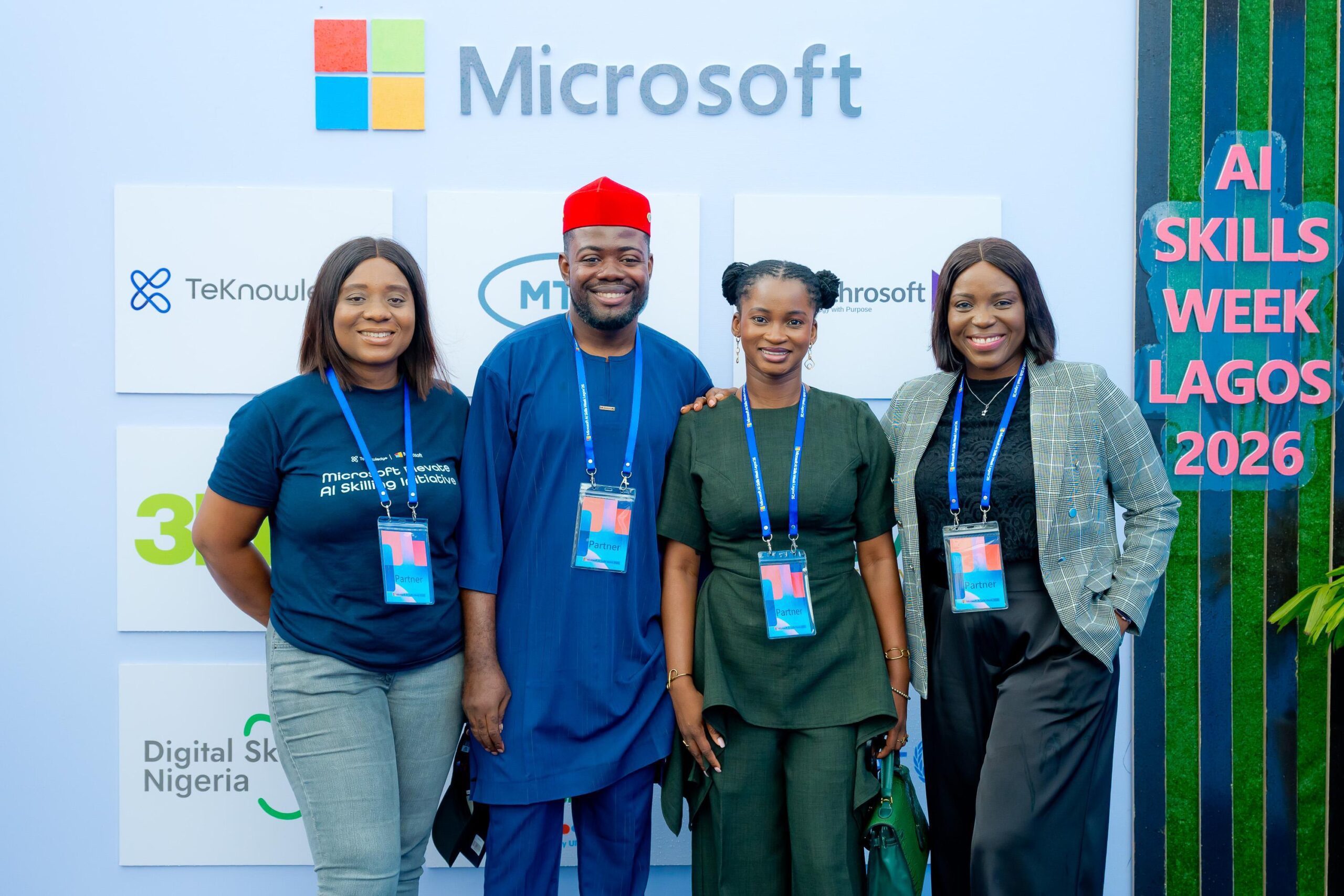
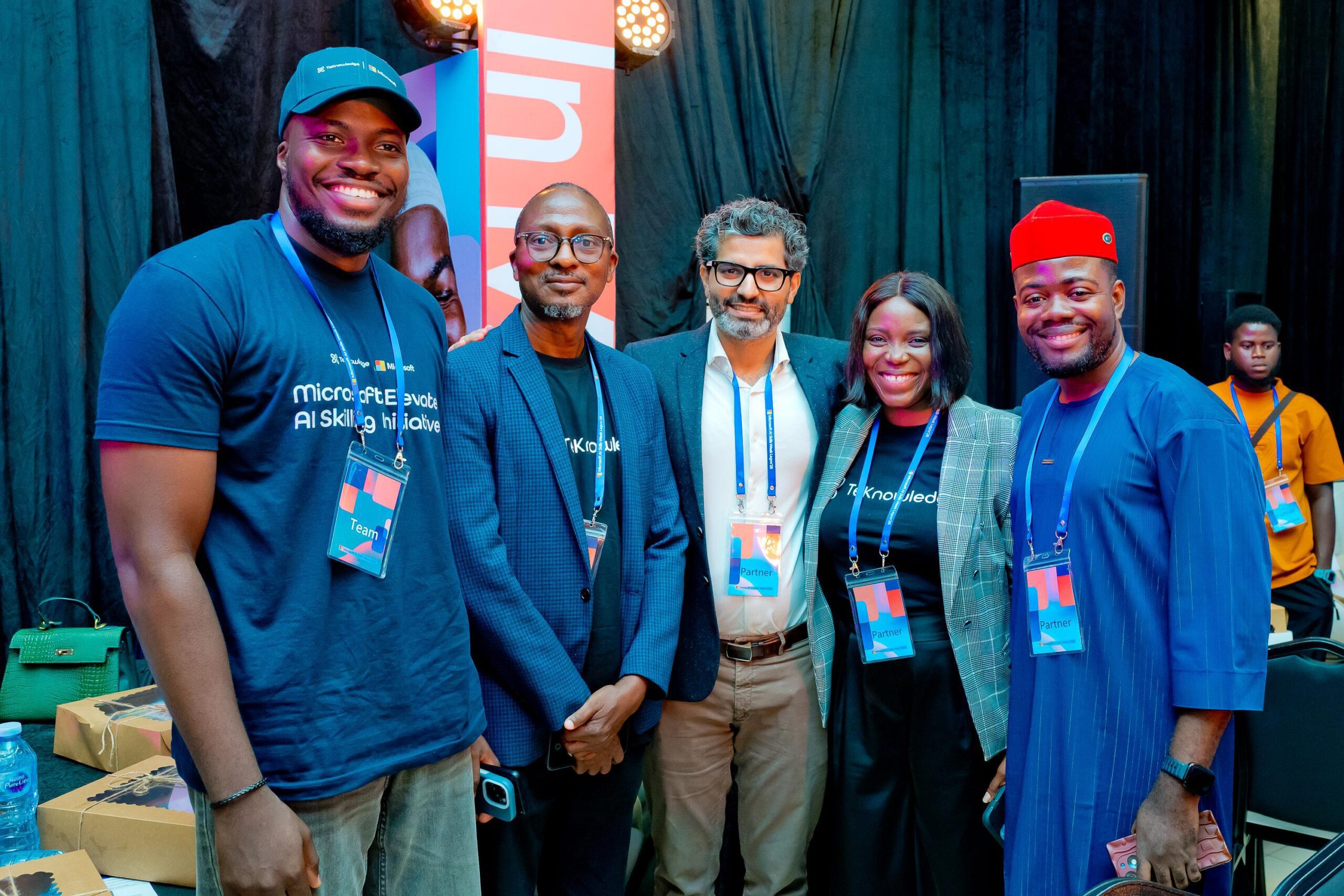
The Country Skilling Team led by Stephanie Imhoede, with some winners


Turning Skills into Solutions

What made these projects remarkable was not only their technical sophistication but also the fact that they were conceived and built by participants who had recently completed the Microsoft Elevate AI Skilling Initiative.

The challenge showcased the transformative potential of AI skilling programs: equipping developers with the capabilities to tackle real industry challenges and create solutions with measurable business value. It also highlighted the depth of local talent available in Nigeria when given access to world-class AI tools, mentorship, and training.

The Microsoft AI Skills Week challenge demonstrated that the initiative is not simply producing learners; it is nurturing innovators capable of shaping the future of Africa’s digital economy. From predictive network management and intelligent automation to enterprise AI agents and document intelligence, participants proved that Nigerian developers are ready to build the next generation of AI-powered solutions for industries such as telecommunications, financial services, healthcare, and government.
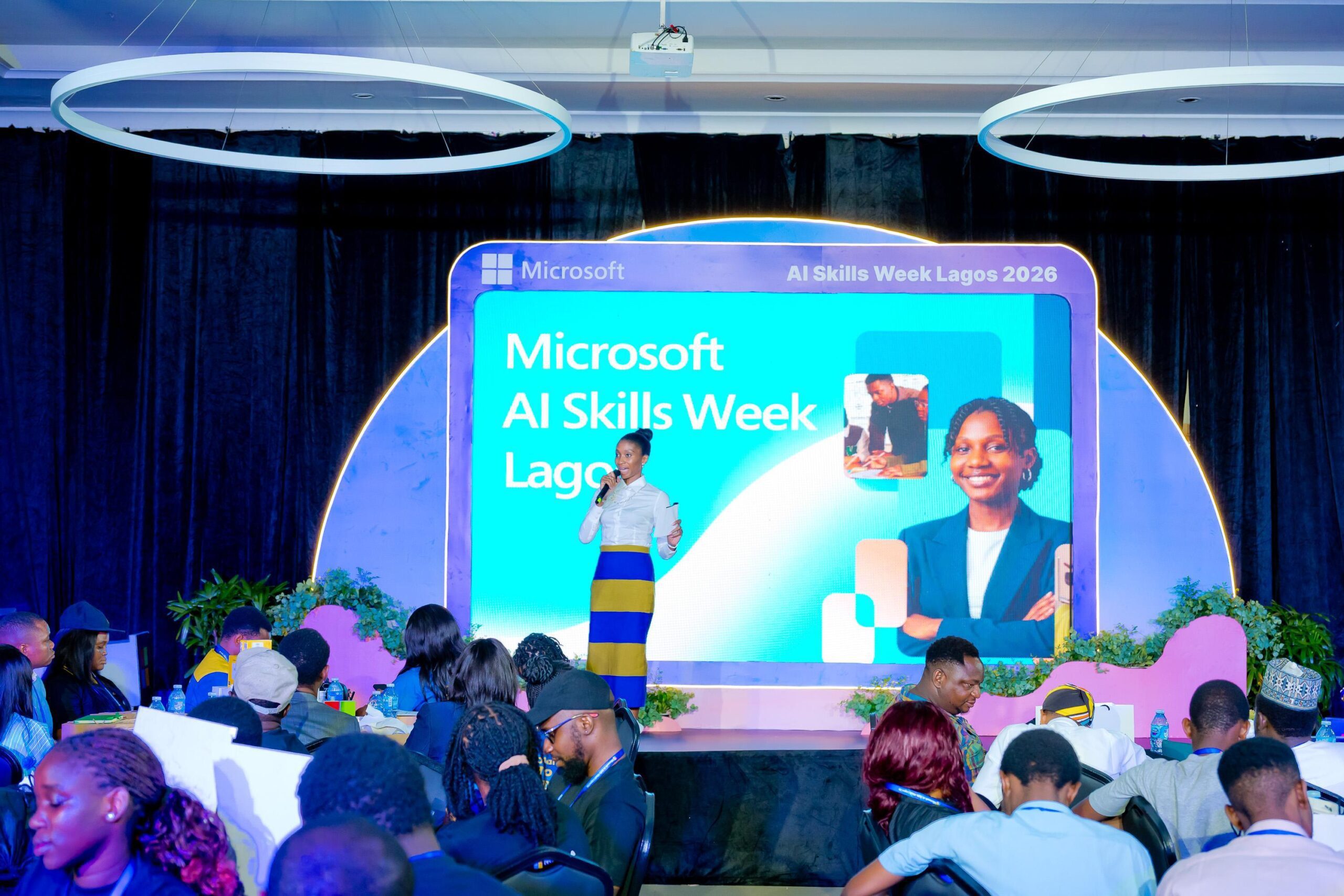
Nonye Ujam, welcomes mentored Developers to Microsoft AI Skills Week


Voices from the Initiative

The impact of the Microsoft Elevate AI Skilling Initiative is perhaps best captured by the experiences of the learners themselves.

“Before attending the program, AI was something I only read about. Today, I am excited to know that I can use Copilot to improve my accounting skills. I use Excel in budgeting, forecasting, and accounting. The training today has enlightened me on how to integrate it into my workflow”.- Obinna, CoPilot for Executives Participant

“The skills I gained in Data Analytics helped me understand how data can drive business decisions. More importantly, it gave me confidence that I can compete in the digital economy.”- 3MTT Learner

“I am super excited to be at the Career Fair. I just came out of my interview, and I must say it was really nice. I look forward to a positive response from recruiters.”- Precious, Career Fair Participant

“I want to thank TeKnowledge, Microsoft, and 3MTT for this opportunity. I was able to network with my peers and speak to recruiters, and I am hoping to land a role.”- Career Fair Participant


Building Nigeria’s AI-Ready Workforce

As organizations across industries embrace AI, the demand for digital talent continues to accelerate.

Through the Microsoft Elevate AI Skilling Initiative, TeKnowledge and Microsoft are helping bridge that gap by creating a sustainable talent pipeline equipped with the skills required for the future of work.


The Journey Continues

The Microsoft Elevate AI Skilling Initiative is proving that when governments, academia, technology leaders, and industry partners work together, large-scale digital transformation becomes possible.

What started as a partnership has evolved into a movement, one that is empowering individuals, strengthening institutions, creating new pathways to employment, and preparing Nigeria’s workforce for an AI-powered future.

Every learner trained, every certification earned, every interview conducted, and every opportunity created brings us one step closer to a future where African talent is not just participating in the AI economy but leading it.

Together, we are building the next generation of AI-ready talent for Nigeria and beyond.


Author: LK Sharma

Why Every Enterprise AI Strategy Needs a Data Trust Layer

 Two people walk into a leadership meeting with the same question and bring two different numbers. Same company, same week, same metric, two answers. What follows is familiar: a few minutes lost to whose number is right, a decision pushed to next time, someone sent off to reconcile the data. Every leader has lived this. We’ve simply come to accept it as normal. 

Now replace those two people with two AI assistants. Ask them the same question. They pull from different sources and hand you two confident, well-written, contradictory answers. Except this time, no one in the room knows enough to argue. The machine doesn’t hesitate. It doesn’t say, “I’m not sure which system to trust.” It produces an answer. And you act on it. 

That is the moment most enterprises are walking into right now, and it exposes something we’ve never really had to name. For years, the weakness in our data sat quietly between our systems and our people, and the people compensated for it. We double-checked. We reconciled. We knew which dashboard to believe. AI removes the person who was silently holding all of that together, and what’s left exposed is a capability that almost no organisation has deliberately built. 

This missing capability is the Data Trust Layer: the architectural layer that ensures enterprise data is ready before AI acts on it. I believe it will become one of the defining foundations of enterprise AI. 


A layer, not a project 

The simplest way to picture it is as a stack. Your enterprise data sits at the bottom. Your AI sits on top. Today, most organisations are racing to connect the two directly, and that is where the problem begins. Between them belongs a layer with a single job: to make the data underneath worth acting on before anything above it depends on it. 

It isn’t another platform. It isn’t another AI model. It isn’t another governance committee. It’s an architectural layer, the same way security became a layer once we accepted it couldn’t be bolted on at the end. We stopped treating security as a feature you add and started treating it as a foundation everything else assumes. Data trust is making the same journey, and AI is what’s forcing it. 

[ Diagram placement: the Data Trust Layer stack — enterprise data at the base, the Data Trust Layer (See · Believe · Control · Trace) in the middle, AI and AI agents on top. Caption: Every layer depends on the one beneath it. AI depends on trust; trust depends on the data. ] 


The four questions that define the layer 

What makes the Data Trust Layer a framework rather than just another idea is that it answers a finite, specific set of questions. Before any person, or any AI, can responsibly act on a piece of data, four questions need answers. These aren’t four capabilities chosen because they sound good together. They are the minimum conditions for a trustworthy decision, whether that decision is made by a person or by a machine. 


Can we see it? 

Do we know this data exists, where it lives, and how it is being used? You cannot trust what you cannot see, and most enterprises cannot see much of what they actually own. 

In practice: A bank launches an AI assistant for its relationship managers. Six weeks in, it surfaces a customer’s account details to a manager who should never have had access, because the data sat in a system no one had mapped. The problem wasn’t the model. It was that the organisation couldn’t see its own data well enough to know what the AI would reach. 


Can we believe it? 

Is the data right? Not by a technical checklist, but by the only standard that matters: would a leader act on it without sending someone to verify it first? Clean data passes a technical test. Believable data passes a business one. 

In practice: Picture a manufacturer where every executive KPI traces back to a single governed definition, so the number on the board’s screen is the same number the plant floor reported. Month-end reporting that used to take days of reconciliation now takes hours, because no one is arguing about whose figure is real. The data became believable, and the meeting moved from debating the number to deciding on it. 


Can we control it? 

Do we know who can use the data, for what purpose, and can those rules actually be enforced? It is the question a careful employee answers by instinct, and the question an AI agent never thinks to ask on its own. 

In practice: An employee asks an internal AI tool to summarise “everything we know about” a major client. A human would hesitate before pulling legal, HR, and contract data into one place. The agent doesn’t hesitate, because no one told it where the boundaries were. Control is how you decide those boundaries before the agent tests them. 


Can we trace it? 

If someone challenges a number tomorrow, can we show exactly where it came from, in an unbroken line back to the source? Traceability is what turns “I think this is right” into “I can show you why.” 

In practice: A regulator asks how an AI-driven decision was reached. In an organisation with real lineage, the answer is immediate: here is the source, here is every step the number took to reach the model. That ability to explain a decision after the fact is what turns AI from something legal wants to restrict into something leadership feels confident expanding.


Why these four, and why together 

See, believe, control, trace. Miss any one and trust starts to break down. Data you can believe but can’t control becomes a security risk. Data you can control but can’t trace becomes impossible to defend. Data you can trace but can’t see was never in the picture to begin with. Each question covers a failure the others can’t, and only together do they add up to data an enterprise can stand on. 

Together, these four questions create a single outcome: enterprise data that people and AI can trust equally. 

Here is what makes the layer teachable. Every AI interaction depends on answers to those four questions, whether the answers exist or not. If your organisation hasn’t answered them deliberately, AI will still produce an answer. It just won’t have the context that makes that answer trustworthy. The Data Trust Layer is where an enterprise answers the four questions deliberately, before AI ever depends on the data. 

Seen this way, a lot of disconnected initiatives turn out to be the same story. Data discovery, data quality, governance, lineage, observability. Most organisations fund these separately, with different teams, different owners, and different priorities, and then wonder why trust never shows up. They were never separate initiatives. They’re complementary capabilities solving the same business problem from different angles. Together, they answer the four questions that define the Data Trust Layer. 


What this means for how you invest 

At TeKnowledge, we’ve found that organisations rarely need another AI platform before they build this layer. They need to design it on purpose: the visibility to see their data, the quality to believe it, the governance to control it, and the lineage to trace it, so that everything built on top has something solid beneath it. The need isn’t unique to us. Every enterprise already has a Data Trust Layer. The only question is whether it was designed on purpose or left to form by accident. 

AI doesn’t create trust. It reveals whether you’ve already built it. 

That is the uncomfortable truth underneath all of this. The layer already exists in your company today. Right now it is held together by assumptions, habits, manual checks, and the quiet experience of employees who know which numbers to double-check. AI is about to inherit all of it, and it won’t inherit the doubt. 

Every AI decision already rests on a Data Trust Layer. The only question is whether you built it intentionally, or inherited it by accident.   

Copilot Agent

Author: Prince Christopher

Scale Trust Before You Scale Agents: The Missing Strategy in Agentic AI

Artificial intelligence is moving beyond automation. Today’s AI agents can make decisions, complete tasks, and interact directly with customers at scale. As organizations race to deploy Agentic AI, many are focused on one goal: scaling as fast as possible. 

But speed is not the biggest challenge. 

Trust is. 

The organizations that will realize the full value of Agentic AI are not necessarily those that deploy the most agents. They are the ones that build confidence in those agents first, creating the foundation for sustainable adoption, stronger customer relationships, and long-term business growth. 


Why Trust Matters More Than Scale 

Unlike traditional software, AI agents do more than execute predefined tasks. They make recommendations, take autonomous actions, and increasingly influence how customers perceive a brand. An inaccurate calculation from a spreadsheet may be frustrating. A poor decision from an AI agent can damage trust in the entire customer experience.  

This matters because trust is inherently fragile. 

A series of positive interactions may gradually build confidence, but a single poor experience can quickly undermine it. As highlighted in TeKnowledge’s Agent AI framework, trust is asymmetric: organizations cannot simply compensate for bad first impressions through volume or frequency of interactions.   

For businesses investing in AI, this creates a new imperative. Success is no longer measured solely by adoption rates or operational efficiency. It is measured by whether customers, employees, and stakeholders are willing to trust AI with increasingly important decisions. 


The Risk of Scaling Too Soon 

One of the most common mistakes organizations make is treating Agentic AI like any other technology deployment. 

They launch fast, accept lower accuracy, and plan to improve over time. Their metrics focus on containment, automation rates, and cost reduction, and new use cases get added before existing ones are solid. 

The problem is that AI scales mistakes instantly. A human error might affect a handful of people. An agent error can repeat thousands of times in minutes, so as automation grows, so does the reach of any single failure. 

When that happens, the work goes beyond fixing the technical issue. Organizations have to rebuild confidence with users who may now hesitate to engage with AI at all. Trust is much harder to win back than performance. 


The Trust-First Approach 

A more sustainable strategy is  that prioritizes trust before expansion. 

Rather than launching broad capabilities from day one, leading organizations focus on delivering a smaller set of high-value use cases with a very high level of accuracy. They continuously monitor customer confidence, return usage, and trust signals alongside traditional operational metrics.  

This approach shifts the conversation from: 

  • How quickly can we deploy? 
  • How many interactions can we automate? 

To: 

  • How consistently can we deliver reliable outcomes? 
  • How confidently will users return and engage again? 

The goal is not simply reducing effort. It is earning trust through every interaction. 

According to the framework presented by TeKnowledge, organizations that prioritize trust-first deployment launch with accuracy levels above 95%, expand gradually after validating performance, and proactively introduce human support when uncertainty arises. They focus on recovering relationships, not just fixing errors when issues occur.  


Trust as a Growth Engine 

The business value of trust extends far beyond risk mitigation. 

When users consistently experience reliable, transparent, and effective AI interactions, confidence grows. As trust grows, adoption increases. As adoption increases, organizations can responsibly expand AI into additional workflows and use cases.  

This creates a powerful cycle: 

Trust → Adoption → Expansion → Growth 

Organizations that approach AI in this way view trust as a strategic asset rather than a compliance requirement. They recognize that customers are more likely to embrace AI when it demonstrates competence, transparency, and accountability over time. 

In other words, trust becomes a competitive advantage. 


Building Agentic AI for the Real World 

The future of Agentic AI will not be defined by the number of agents an organization deploys. It will be defined by how confidently people are willing to rely on them. 

As businesses continue investing in autonomous AI capabilities, the leaders will be those who balance innovation with responsibility. They will start with focused use cases, prioritize accuracy over speed, and establish trust before pursuing scale.  

At TeKnowledge, this philosophy sits at the core of our Agent AI workstreams: helping organizations build the trust required to expand AI adoption with confidence and create lasting value from their investments. 

Organizations often ask: How quickly can we scale AI? 

A better question may be: 

How much trust have we earned before we scale it? 

Because in the era of Agentic AI, trust isn’t the outcome of success, it is the prerequisite for it.

Author: No Author

TeKnowledge and Equinix Partner to Advance Secure Cloud and AI-Ready Digital Infrastructure Across West Africa

TeKnowledge, a global technology services company, and Equinix (Nasdaq: EQIX), the world’s digital infrastructure company®, today announced a partnership to support enterprises and public sector organizations across West Africa to accelerate secure hybrid and multi-cloud adoption and enable AI-ready digital infrastructure across West Africa. 

As demand for cloud services, AI adoption, digital payments, and data-driven innovation continues to accelerate across West Africa, the TeKnowledge and Equinix partnership is uniquely positioned to advance the region’s digital transformation. By combining Equinix’s in-country and global data center infrastructure and secure interconnection capabilities with TeKnowledge’s deep expertise in designing, deploying, and managing AI, data, customer experience, and cybersecurity solutions. Organizations can accelerate innovation while maintaining data residency and sovereignty requirements. Keeping critical data within national borders provides enterprises and public sector institutions with greater control over sensitive information, enhanced regulatory compliance, improved performance, and increased trust in digital services. 

Together, the organizations empower enterprises and government institutions to bridge the gap between digital ambition and execution through secure, high-performance digital environments built on local infrastructure and delivered by local talent. TeKnowledge team of more than 2,000 highly skilled engineers, including a strong base of Nigerian technology professionals provides the expertise required to architect, implement, manage, and optimize complex digital transformation initiatives at scale. This combination of world-class infrastructure, in-country data hosting, and highly qualified local engineering talent strengthens digital resilience, supports skills development and job creation, and creates a sustainable foundation for long-term economic growth, innovation, and digital competitiveness across Nigeria and the wider West African region. 

Nigeria’s digital transformation is accelerating rapidly, with the digital economy being a significant contributor to the country’s GDP. As organizations scale cloud adoption and AI-driven workloads, they face increasing challenges related to performance, security, regulatory compliance, and data sovereignty. With this partnership, customers can benefit from low-latency, private connectivity across cloud, enterprise, and partner ecosystems, enabling faster and more secure access to critical applications and services.  

The collaboration also provides access to digital infrastructure designed to support customers’ compliance objectives and regulatory requirements, as well as scalable digital platforms capable of supporting AI, advanced analytics, and other next-generation workloads.  

The partnership aligns closely to support Nigeria’s evolving digital ecosystem in line with Nigeria’s Digital Transformation Agenda and the advancement of the country’s National Artificial Intelligence Strategy through secure, scalable, and trusted digital infrastructure. It also reinforces efforts to improve cybersecurity resilience across critical sectors, in line with industry’s best practices and sector-specific regulatory expectations, while supporting data sovereignty and localization strategies that reflect emerging regulatory and operational requirements. In doing so, the partnership contributes to the Federal Government’s broader vision of a secure, connected, and innovation-driven digital economy. 

“Organizations across Africa are increasingly looking to modernize their infrastructure while maintaining the performance, security, and compliance required to support growth. Through our partnership with Equinix, we are combining world-class digital infrastructure with deep local expertise to help customers accelerate cloud adoption, strengthen resilience, and unlock new opportunities through AI and emerging technologies, said Aileen Allkins, CEO & President, TeKnowledge. 

“I’m delighted to partner with TeKnowledge to bring together Equinix’s globally interconnected platform, spanning more than 280 data centers and over 10,000 customers worldwide, with strong local expertise. Together, Equinix and TeKnowledge are empowering organizations to unlock AI-driven innovation, accelerate cloud adoption, and build secure and resilient digital ecosystems across West Africa.” Said Wole Abu, Managing Director, Equinix West Africa 

“This partnership is focused on delivering measurable outcomes for Organizations as they need more than technology platforms; they need trusted partners that can help simplify complexity and accelerate execution. Together with Equinix, we are enabling secure hybrid cloud adoption, enhanced interconnection, cybersecurity resilience, and infrastructure strategies that are tailored to the realities of African markets, added Olugbolahan Olusanya, Territory Director for Africa, TeKnowledge. 

The partnership will focus on sectors where secure, scalable, and highly connected infrastructure is becoming increasingly critical, including financial services and fintech, telecommunications, government and public sector organizations, energy and utilities, healthcare, and digital-native enterprises. Across these industries, the demand for resilient digital infrastructure is being driven by accelerating cloud adoption, increasing cybersecurity threats, regulatory compliance requirements, and the growing need to support data-intensive and AI-driven workloads. 


About TeKnowledge 

TeKnowledge is a trusted expert technology services company helping organizations and nations navigate the journey to becoming AI-First from data and security to adoption and ongoing support. 

With a strong presence of over 2,000 professionals in Nigeria, TeKnowledge delivers AI, CX, cybersecurity, digital skilling, and managed services to large enterprises and public institutions. 

Globally, the company supports organizations across 90 countries, operating from 16+ hubs and delivering 24/7 services through more than 4,000 experts. 

Founded in 2010, TeKnowledge is part of YNV Group, a privately held global holding company. Visit at www.TeKnowledge.com. 

TeKnowledge delivers AI-First Expert Technology Services in AI, CX & Cybersecurity, turning complexity into clarity and driving scalable innovation. 

Interested in Accelerating Your AI and Digital Transformation Journey? 

Kindly contact salesng@teknowledge.com for enquiries or fill in this form  


Author: Steve Heffron

Most Support Organizations Are Optimizing a Model That’s Already Obsolete

A finance employee joined a video call with his CFO and colleagues. $25 million were lost to scammers. He recognized every face. He heard familiar voices. He approved a $25 million wire transfer.

The problem? None of the people on the call were real. They were AI-generated deepfakes.

This week, the European Commission published its Code of Practice on Transparency of AI-Generated Content, reinforcing how organizations should identify, label, and manage AI-generated content under the EU AI Act: https://ec.europa.eu/newsroom/dae/redirection/document/129555

Why this matters?

AI is rapidly eroding one of the most important controls in cybersecurity: Trust.

For years, security focused on protecting systems. Deepfakes and Synthetic Identities now target people. A cloned voice bypasses suspicion. A synthetic face bypasses instinct. A familiar identity bypasses judgment.

These are some of the actions every organization should take now:

  • Verify high-risk requests through a separate trusted channel
  • Require independent approval for sensitive actions • Train employees on deepfake-enabled fraud scenarios
  • Leverage standards such as ISO 42001 to Govern, Manage, and Control AI responsibly across its lifecycle.

But there’s a deeper challenge emerging: How do you securely adopt AI without losing control over identity, trust, and governance?

That’s where organizations are struggling today.

At TeKnowledge, we help enterprises safely adopt AI by strengthening:

  • AI security and governance aligned with the EU AI Act and ISO 42001
  • Identity and access controls to resist synthetic identity attacks
  • Detection and response capabilities for AI-driven fraud
  • Awareness and resilience programs for leadership and SOC teams

So organizations can innovate with AI without exposing themselves to its new attack surface.

How is your organization adapting identity and trust controls in the age of AI-generated content?

Author: Rania El Khoury

From Skilling to Impact: How AI Adoption Becomes Real at Scale

For many organizations, AI has moved quickly from experimentation to expectation. Leaders are investing in platforms, licenses, and tools at record speed. Yet one critical question remains unanswered: 

How do you turn AI investment into measurable, sustained impact? 

At TeKnowledge, our experience across national programs, enterprise transformations, and global skilling initiatives has made one reality very clear:
AI adoption does not happen through tools alone. It happens through people, structure, and execution. 


Skilling Is the Starting Point – Not the Finish Line 

Traditional training models focus on attendance, completion, or certifications. While these remain important, they are no longer enough. 

Modern AI adoption requires outcomes-driven skilling that: 

  • Is aligned to real roles and scenarios 
  • Evolves from awareness to applied use cases 
  • Is embedded into daily workflows 
  • Is continuously measured and reinforced 

This is why we position skilling not as a standalone activity, but as a strategic enabler of adoption, productivity, and change. 


The Shift We See Globally: From Training to Enablement 

Across governments and enterprises, we consistently see three recurring challenges: 

  1. Skills gaps – users are unfamiliar or uncomfortable with AI tools 
  1. Change resistance – middle management and teams struggle to adapt 
  1. Governance concerns – security, compliance, and trust slow adoption 

Addressing only one of these creates friction. Addressing all three together accelerates impact. 

Our approach integrates: 

  • Role-based learning (executives, champions, business users, technical teams) 
  • Applied scenarios tied to actual business processes 
  • Change and adoption frameworks to build confidence and momentum 
  • Governance-first design, ensuring AI is secure, responsible, and trusted 


Scaling Adoption: Standardize the Core, Customize the Edge 

One of the most powerful lessons from national-scale initiatives is this: 

You cannot scale AI adoption by rebuilding from scratch every time. 

To scale effectively, organizations must: 

  • Standardize the core 
  • Learning experience 
  • Quality standards 
  • Adoption metrics 
  • Governance principles 
  • Customize the edge 
  • Sector-specific use cases 
  • Local language and cultural context 
  • Industry regulations 
  • Workforce maturity 

This balance allows organizations to grow rapidly without compromising quality or trust. 


From Awareness to Maturity: The Adoption Journey 

Successful AI adoption follows a clear progression: 

  1. Awareness & trust
    People understand what AI is — and what it is not. 
  1. Enablement at scale
    Users learn how to apply AI to their daily work. 
  1. Scenario-based adoption
    AI supports real tasks, not generic demos. 
  1. Advanced use cases & automation
    Organizations move from usage to optimization. 
  1. Measurement & reinforcement
    Adoption becomes sustainable, not seasonal. 

Skilling plays a critical role at every stage, not just at the start. 


Why Partnerships and Ecosystems Matter 

No organization succeeds alone. 

Effective adoption programs are built through ecosystem collaboration, bringing together: 

  • Technology providers 
  • Public and private sector stakeholders 
  • Consulting and advisory expertise 
  • Delivery and enablement partners 

This ecosystem approach ensures that learning, governance, and execution move together — instead of in silos. 


Looking Ahead: Skilling as a Growth Engine 

As AI continues to reshape work, skilling will no longer be viewed as a cost or a support function. It will become a growth engine and a strategic differentiator. 

The organizations that succeed will be those that: 

  • Invest in people as much as platforms 
  • Measure adoption, not just deployment 
  • Treat skilling as a living system, not a one-time event 

At TeKnowledge, our mission is to help organizations move from AI ambition to real-world impact, by turning skilling into execution, and execution into measurable results. 


Author: Asli Uysal

Modernizing Customer Experience Without Overwhelming Agents or Customers

Modernizing customer experience (CX) has become a board-level priority.

But somewhere along the way, “modernization” has been mistaken for accumulation – more tools, more channels, more automation. 

The outcome?
Agents juggling fragmented systems.
Customers navigating disconnected journeys.
And organizations wondering why “digital transformation” isn’t translating into better experiences. 

The truth is simple: modern CX isn’t about adding more, it’s about making things work better, together, for humans. 


The Modernization Trap: When More Becomes Less 

Many organizations approach CX transformation with the right intent but the wrong execution model. 

They implement: 

  • AI copilots layered on legacy systems 
  • New channels without unified orchestration 
  • Automation that optimizes cost, not experience 

On paper, it looks like progress. In reality: 

  • Agents spend more time navigating tools than helping customers 
  • Customers repeat themselves across channels 
  • Interactions feel faster—but less human 

This isn’t modernization. It’s fragmentation at scale. 

Real modernization starts by asking a different question: “Are we reducing effort or just digitizing it?”. 


The Shift: From Tool-Centric to Human-Centric CX 

Organizations leading in CX aren’t the ones deploying the most technology – they’re the ones using technology to remove friction. 

They understand that: 

  • Agents don’t need more features, they need more clarity 
  • Customers don’t want more options, they want faster resolution 
  • AI shouldn’t replace experience, it should enhance it 

This is where modern CX becomes powerful:
When AI, data, and workflows come together to simplify, not complicate. 


Five Principles for Modern CX That Actually Works 

  1. Augment Agents:Don’tOverload Them 

Your agents are your experience engine. Yet in many environments, they’re forced to: 

  • Toggle between multiple systems 
  • Search for scattered information 
  • Interpret incomplete customer histories 

AI should solve this, not amplify it. 

What good looks like: 

  • A single pane of glass for customer context 
  • AI-generated summaries of past interactions 
  • Real-time “next best action” recommendations 

The goal isn’t to make agents faster, it’s to make them more confident and effective. 

  1. Orchestrate Journeys, Not Channels

Customers don’t think in channels. They think in outcomes. 

But too often: 

  • Chat, voice, email, and social operate in silos 
  • Context gets lost between touchpoints 
  • Customers are forced to start over 

Modern CX requires orchestration, not expansion. 

What good looks like: 

  • Seamless hand-offs across channels 
  • Persistent context across every interaction 
  • Unified customer profiles driving engagement 

Because the best experience is one where the customer never has to say,
“Let me explain this again.” 

  1. Automate With Intention, Not Aggression

Automation is often deployed with a single KPI in mind: deflection.
But the cost of over-automation is high: 

  • Customer frustration 
  • Escalation rates 
  • Erosion of trust 

Not every interaction should be automated, and that’s okay. 

What good looks like: 

  • Automating high-volume, low-complexity interactions 
  • Creating clear, fast paths to human support 
  • Using AI to assist during live interactions, not just deflect them 

The goal isn’t fewer conversations.
It’s better, more meaningful ones. 

  1. Design for Cognitive Simplicity

Every additional system, click, or decision point adds cognitive load, for both agents and customers. 

And cognitive overload leads to: 

  • Errors 
  • Delays 
  • Burnout 

Simplicity isn’t a UX preference, it’s a performance strategy. 

What good looks like: 

  • Streamlined agent desktops 
  • Guided workflows that reduce decision fatigue 
  • Clear, intuitive customer journeys 

Organizations that prioritize simplicity consistently outperform those that prioritize feature density. 

  1. Measure What Truly Matters

Traditional CX metrics tell you how fast things move, not how well they work. 

  • Average Handle Time (AHT) 
  • Ticket closure rates 
  • Cost per interaction 

These metrics optimize efficiency but often at the expense of experience. 

Modern CX organizations shift the lens: 

What good looks like: 

  • Customer effort score (CES) 
  • First contact resolution (FCR) quality 
  • Sentiment and experience analytics 

Because ultimately: 

Speed without resolution is noise efficiency without empathy is risk.


The Role of AI: Enabler, Not Experience 

AI is undeniably transforming CX but its role is often misunderstood. 

It’s not about: 

  • Replacing agents 
  • Automating everything 
  • Creating hyper-digital experiences 

It is about: 

  • Providing context instantly 
  • Reducing friction in decision-making 
  • Elevating both agent and customer confidence 

The best AI implementations are almost invisible.
They don’t change the experience dramatically, they make it feel effortless. 

What This Means for Leaders 

For CX, sales, and operations leaders, modernization requires a mindset shift: 

Instead of asking: 

  • How many tools do we need? 
  • How much can we automate? 

Start asking: 

  • Where are we creating unnecessary effort? 
  • Where do agents lack clarity? 
  • Where do customers lose trust? 

Because modern CX isn’t built by adding layers, it’s built by removing friction. 


Final Thought 

Modernization That Feels Human 

The most successful CX transformations share one thing in common: 

They don’t feel like transformations at all. 

They feel like: 

  • Faster resolutions 
  • More natural interactions 
  • Less effort for everyone involved 

And that’s the ultimate goal. 

Modern CX isn’t about technology leading the experience. It’s about humans being empowered by it. 

If you’re modernizing CX today, ask yourself: “Are we making things easier or just more digital?”. 

Because in the end, the winners won’t be the ones with the most advanced systems.
They’ll be the ones who create the simplest, smartest, and most human experiences. 

If you’re rethinking your strategy, let’s connect: https://teknowledge.com/contact/ai-first-customerexperience-cx/

Author: No Author

TeKnowledge Launches Services in Rwanda to Advance AI Leadership, Digital Skills, and Cyber Resilience

Supporting Rwanda’s transition to a knowledge-based, AI-ready economy under Vision 2050 


TeKnowledge has announced the launch of its services in Rwanda, introducing new initiatives focused on AI leadership, digital skilling, and cybersecurity resilience. Announced during a private event in Kigali, the launch supports Rwanda’s Vision 2050 ambitions and reflects a shared commitment to building the capabilities needed for a knowledge-based, AI-ready economy. 

Building on five years of operations in Rwanda as a global delivery hub, TeKnowledge is broadening its presence with a broader portfolio of services designed to help organizations develop leadership capability, strengthen workforce readiness, and build secure digital foundations in an increasingly AI-driven world. 

The advancement reflects a shared focus on preparing individuals, organizations, and institutions for the next phase of economic growth – one defined by technology, innovation, and skills. 


Supporting Rwanda’s Vision for a Knowledge-Based Economy 

Rwanda’s Vision 2050 outlines a clear path toward becoming a knowledge-based economy powered by innovation, technology, and human capital development. 

As artificial intelligence continues to reshape industries, workforce requirements, and economic models, countries around the world are facing a common challenge: ensuring that capability development keeps pace with technological change. 

While investment in digital infrastructure and emerging technologies remains important, long-term success increasingly depends on leadership readiness, workforce skills, and the ability to adopt and govern technology responsibly. 

TeKnowledge believes these capabilities will play a critical role in helping organizations and institutions translate digital ambition into measurable outcomes. 


Building the Foundations of an AI-Ready Economy 

To help organizations and institutions navigate the opportunities and challenges of AI-driven transformation, TeKnowledge is scaling its services across three strategic capability areas: 

  • Executive AI Training Centre 

As AI becomes a strategic business priority, leaders are expected to make decisions that balance innovation, governance, risk, and business value. 

To support this need, TeKnowledge is introducing an Executive AI Training Centre designed to equip business and government leaders with practical understanding of artificial intelligence, responsible adoption practices, governance frameworks, and emerging risks. 

The initiative aims to help decision-makers confidently lead AI transformation efforts while ensuring alignment with organizational objectives and regulatory requirements. 

  • Scaled Digital Skilling Academies 

The demand for AI, data, cybersecurity, and digital services skills continues to grow across industries. At the same time, organizations around the world are facing significant talent shortages in these critical areas. 

TeKnowledge is expanding its skilling academies to provide structured learning pathways focused on building practical, job-relevant capabilities aligned with evolving market demands. 

The programs are designed to support learners at different stages of their professional journey while helping organizations develop the skills needed to remain competitive in a rapidly changing digital landscape. 

  • Cybersecurity Services and Security Operations Centre 

As digital transformation accelerates, cybersecurity has become a foundational requirement for innovation and trust. 

To help organizations strengthen resilience against evolving threats, TeKnowledge is expanding its cybersecurity services and Security Operations Centre (SOC) capabilities. 

These services are designed to enhance visibility, improve threat detection, strengthen organizational awareness, and support more secure technology adoption across both public and private sector environments. 


Creating Opportunity Through Partnership 

A key highlight of the Kigali event was the strengthening of TeKnowledge’s ongoing partnership with Harambee Youth Employment Accelerator, reinforcing a shared commitment to advancing youth employment and digital skills development in Rwanda. 

Building on this collaboration, TeKnowledge will deliver a structured six-session AI training program for youth participating in Harambee’s programs. The initiative focuses on practical, in-demand skills that can be directly applied in today’s workforce. 

Participants will earn certifications and digital learning badges, strengthening employability and supporting successful transitions into the workforce. 

The partnership reflects a broader commitment to ensuring that technological progress translates into tangible economic opportunity and inclusive growth. 


From Vision to Execution 

Speaking during the event, TeKnowledge President and CEO Aileen Allkins emphasized the importance of turning ambition into execution as organizations and countries navigate the opportunities created by artificial intelligence. 

“Rwanda has already shown what is possible when leadership aligns around a clear vision. The next phase will be defined by execution, building capability at pace in the areas where demand is evolving fastest. 

AI is already reshaping how decisions are made and how value is created. The opportunity now is not whether to adopt it, but how to lead, govern, and scale it responsibly. 

Equally important is ensuring that this transformation translates into real opportunity. Through our partnership with Harambee, we are equipping young people with practical AI skills and recognized certifications that strengthen their path into employment.” 

Looking Ahead 

Rwanda has already established itself as one of Africa’s leading digital innovators. The next phase of growth will depend on how effectively leadership, workforce capabilities, and secure technology adoption evolve alongside rapid advances in AI. 

Leadership readiness, workforce skills, and cybersecurity resilience are no longer separate priorities. Together, they form the foundation of a modern, AI-ready economy. 

Through this  advancement, TeKnowledge aims to help accelerate Rwanda’s transition toward a knowledge-based economy by supporting leadership enablement, workforce development, secure technology adoption, and new pathways for talent, innovation, and inclusive economic growth. 

As Rwanda continues its journey toward Vision 2050, TeKnowledge remains committed to partnering with governments, enterprises, and local organizations to turn ambition into lasting impact. 


Author: Eric Schifflers

AI Deepfake Fraud: Why Trust Is Breaking in Cybersecurity

A finance employee joined a video call with his CFO and colleagues. $25 million were lost to scammers. He recognized every face. He heard familiar voices. He approved a $25 million wire transfer.

The problem? None of the people on the call were real. They were AI-generated deepfakes.

This week, the European Commission published its Code of Practice on Transparency of AI-Generated Content, reinforcing how organizations should identify, label, and manage AI-generated content under the EU AI Act: https://ec.europa.eu/newsroom/dae/redirection/document/129555

Why this matters?

AI is rapidly eroding one of the most important controls in cybersecurity: Trust.

For years, security focused on protecting systems. Deepfakes and Synthetic Identities now target people. A cloned voice bypasses suspicion. A synthetic face bypasses instinct. A familiar identity bypasses judgment.

These are some of the actions every organization should take now:

  • Verify high-risk requests through a separate trusted channel
  • Require independent approval for sensitive actions
  • Train employees on deepfake-enabled fraud scenario
  • Leverage standards such as ISO 42001 to Govern, Manage, and Control AI responsibly across its lifecycle.

But there’s a deeper challenge emerging: How do you securely adopt AI without losing control over identity, trust, and governance?
That’s where organizations are struggling today.

At TeKnowledge, we help enterprises safely adopt AI by strengthening:

  • AI security and governance aligned with the EU AI Act and ISO 42001
  • Identity and access controls to resist synthetic identity attacks
  • Detection and response capabilities for AI-driven fraud
  • Awareness and resilience programs for leadership and SOC teams

So organizations can innovate with AI without exposing themselves to its new attack surface.

How is your organization adapting identity and trust controls in the age of AI-generated content?