Stay Ahead with Expert-Led Insights
Navigating Complexity. Driving Progress. Creating Lasting Impact.
Welcome to the TeKnowledge Insights hub! Here, you’ll find a blend of strategic perspectives, real-world case studies, and expert analysis designed to empower organizations to navigate challenges and seize new opportunities.
Explore the insights that matter most. Stay informed, gain new perspectives, and discover how businesses worldwide are unlocking new opportunities with TeKnowledge.
Stay Ahead with Expert-Led Insights
Navigating Complexity. Driving Progress. Creating Lasting Impact.
Welcome to the TeKnowledge Insights hub! Here, you’ll find a blend of strategic perspectives, real-world case studies, and expert analysis designed to empower organizations to navigate challenges and seize new opportunities.
Explore the insights that matter most. Stay informed, gain new perspectives, and discover how businesses worldwide are unlocking new opportunities with TeKnowledge.
All Categories
The latest developments, strategic partnerships and milestones.
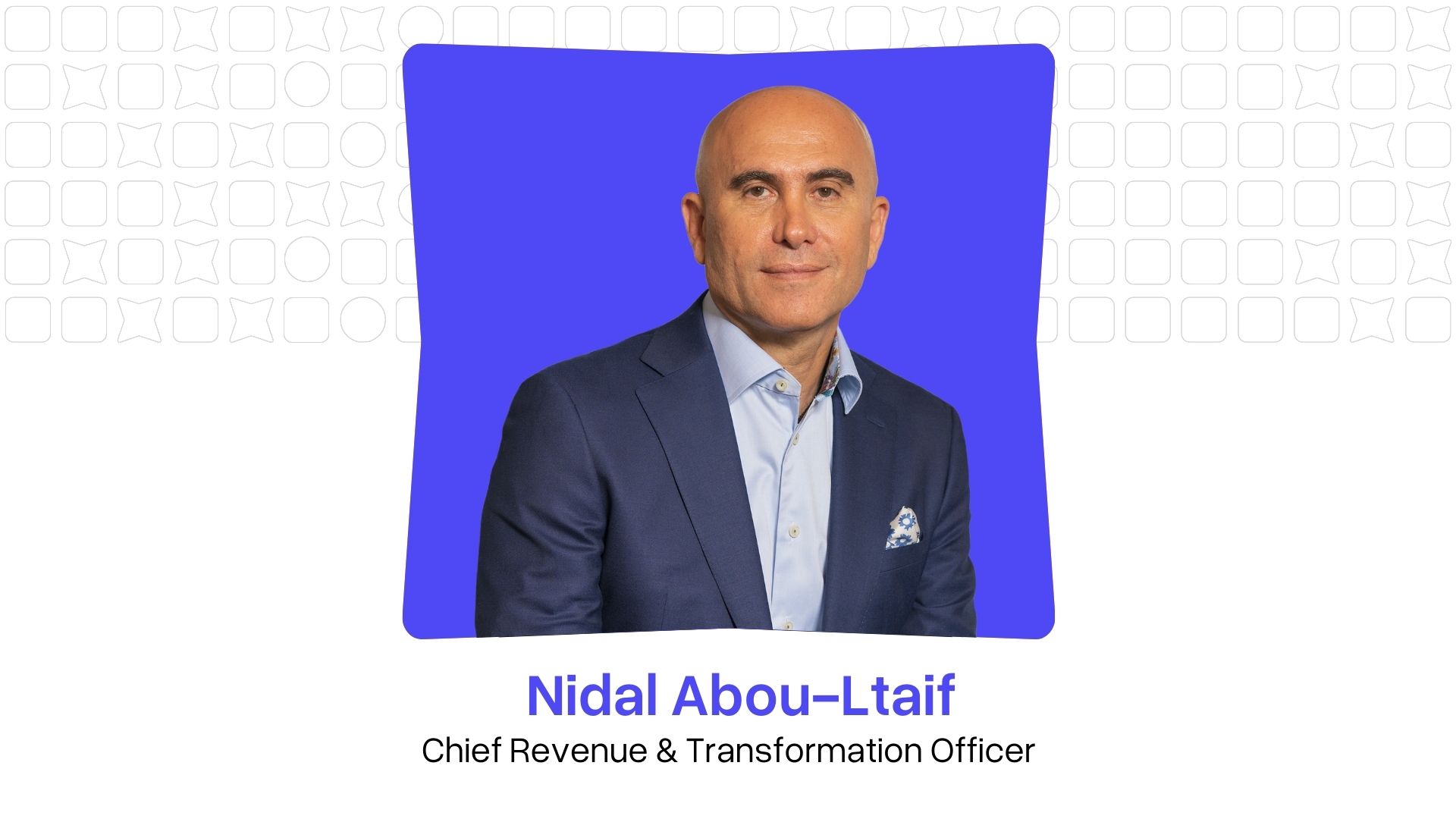
Author: Nidal Abou-ltaif
When we started building TeKnowledge, we didn’t set out to be loud. More importantly, we set out to be useful. We’ve spent the last decade listening to clients, delivering consistently, and evolving deliberately. What’s happening now is a natural next step—just made visible.
Our new brand marks more than a shift in how we show up. It reflects who we’ve become and what we’re building next. We’ve grown from a trusted service provider into a strategic partner—guiding clients through some of their most complex, high-stakes transformation journeys. That evolution deserves to be seen, not just in design, but in how we deliver.
At the heart of this shift is the launch of AI-First Expert Technology Services, a connected model that brings together advisory, delivery, skilling, and managed services: a model built for AI-first by design, outcome-first by intent.
We’re helping clients not just adopt AI—but scale it practically, securely, and across functions. That’s a critical distinction. Whether we’re enabling Microsoft Copilot adoption in the enterprise or working with governments to deliver national skilling programs, our approach starts with people, not platforms. Because transformation doesn’t begin with technology. It begins with trust.
That same trust is what fuels our ecosystem. Partnerships are core to how we simplify complexity and create real momentum. We are proud to be one of Microsoft’s global and longstanding partners. As a Microsoft Solutions Partner, our expert services in AI, Customer Experience, and Cybersecurity are rooted in Microsoft’s AI-powered Productivity, Business Applications, and Intelligent Cloud platforms.
In fact, more than 70% of our team are certified experts in Microsoft technologies—and that number is only growing. We’re actively investing in deepening that expertise across regions to meet rising demand and keep clients ahead of what’s next.
That investment goes hand-in-hand with our regional growth. This year, we’ve expanded our services in El Salvador and Honduras, and we’re growing our presence in the Middle East, unlocking high-impact partnerships across Dubai and Abu Dhabi. In Africa, we’ve been recognized as Africa’s Most Innovative Tech Support Services Company of 2024, and we’re building momentum for broader offerings across the continent.
Moreover, we’re building a dynamic ecosystem of partners—designed for relevance to Microsoft’s government and enterprise customers, and built to flex with what our clients need most.
That’s why we invest heavily in our people and their continuous growth. The result is a team that doesn’t just understand technology—they know how to apply it, scale it, and keep learning as the landscape evolves.
This moment is about bringing clarity to what we’ve been building—and making it easier for clients to access it, align with it, and move forward. We’re here to accelerate. To be the trusted partner that shows up when it matters most.
We move into this next chapter with purpose, confidence, and a clear mandate: To be a catalyst for change; not just for our clients, but for the industries, ecosystems, and communities we serve.
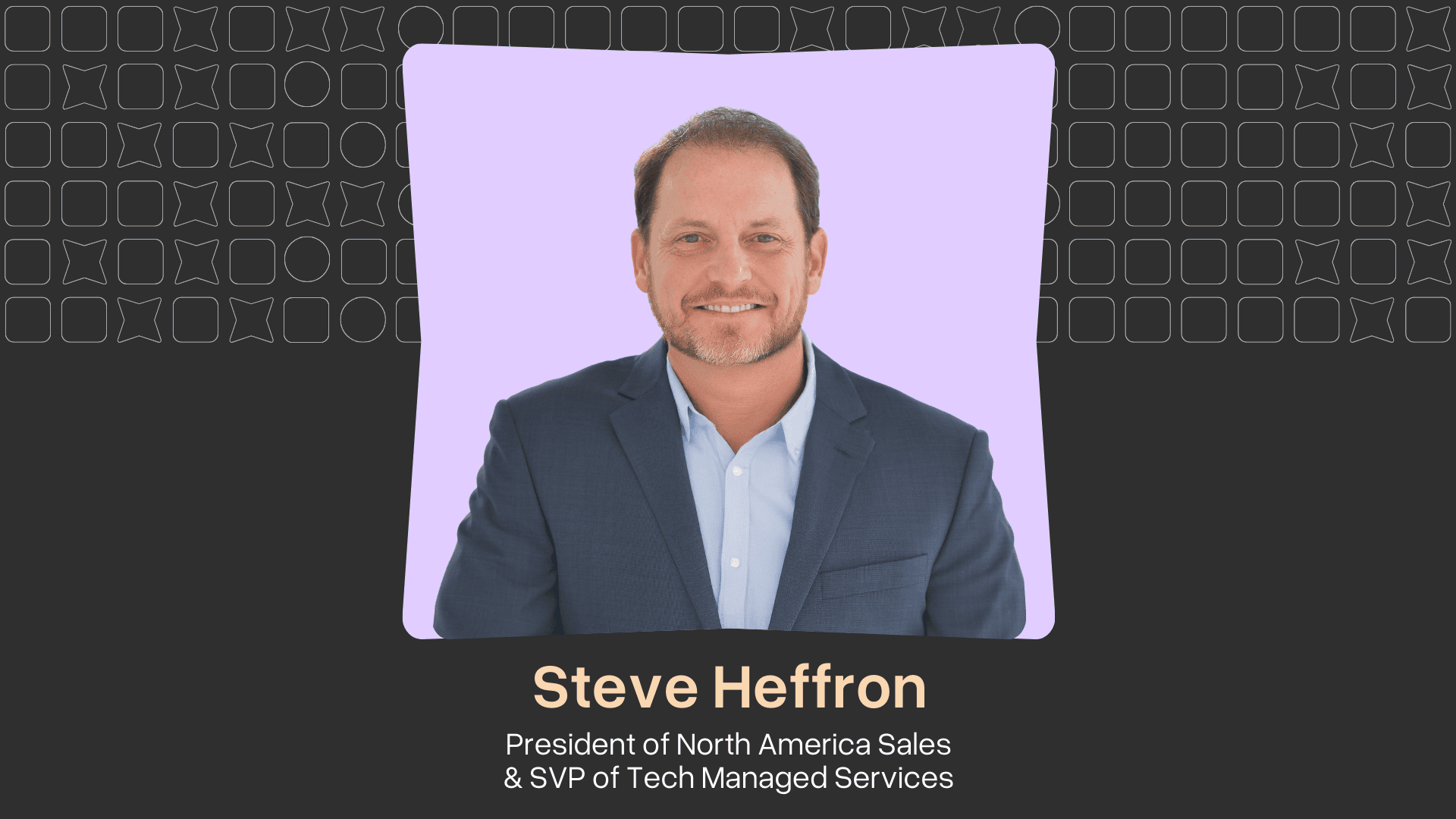
Author: Steve Heffron
In today’s rapidly evolving digital environment, exceptional customer experience (CX) is no longer a differentiator – it’s a necessity. Customers expect interactions to be immediate, personalized, and seamless. Achieving this goes beyond intuitive interfaces; it demands a profound transformation of core operations, effective use of data, and ensuring every touchpoint exemplifies the brand’s dedication to excellence.
Over the past 25 years, I’ve led global tech support teams, and one truth has consistently stood out: Support interactions significantly impact customer relationships and loyalty. While support may not always be the initial customer touchpoint, it frequently becomes the most critical moment of engagement. These “moments that matter”, are where trust is built, confidence is restored, and long-term relationships are forged.
At TeKnowledge, we provide expert technology services – delivering comprehensive support from strategy and planning through deployment and ongoing management – in the domains of Artificial Intelligence, Customer Experience, and Cybersecurity. Our Tech Managed Services delivers global, enterprise-grade technical support and customer success operations to the world’s leading technology companies.
With the recent announcement of our strategic partnership with Genesys, we’re combining our deep operational expertise with their advanced AI-powered customer experience platform, enabling businesses to rapidly adopt secure, scalable, and sophisticated CX solutions.
Shifting to Proactive Customer Support
Customer experience spans diverse interactions – from marketing campaigns and digital channels to direct sales – but support teams consistently maintain the closest connection with customers. In times of difficulty or uncertainty, support interactions become pivotal moments that can either strengthen loyalty or trigger customer churn.
Organizations now recognize that traditional reactive support – addressing issues only after they arise – is insufficient. To deliver truly exceptional experiences, businesses must anticipate customer needs. AI and automation make proactive engagement possible by predictive issue detection, customer health monitoring, and automated remediation, allowing companies to address concerns before customers become aware of them.
Research highlighted by the CX institute confirms proactive support significantly enhances customer relationships:
· Gartner reports a 20% increase in customer satisfaction
· Forrester highlights a 15% rise in customer retention
· Harvard Business Review finds proactive service boosts brand loyalty by up to 30%.
Proactive support is seamless, timely, and deeply personalized, setting new standards for customer care.
Empowering Employees to Drive Better Experiences
The effectiveness of customer support depends heavily on the people delivering it. Support experts and engineers represent the technology brand’s voice, but their performance hinges on their training, tools, information access, and operational environment.
Exceptional CX strategies encompass internal as well as external experiences. Providing experts with a comprehensive, 360-degree customer view allows them to resolve issues swiftly and meaningfully. AI-driven platforms streamline workflows, automate routine tasks, and deliver real-time insights, significantly enhancing productivity.
Organizations leveraging AI-enabled CX tools have achieved remarkable outcomes, including:
· Workforce efficiency improvements of 20–35%.
· Increased employee engagement of 15–30% through better visibility and incentives.
· Reduced employee attrition by 10–25% due to balanced workloads and improved job satisfaction.
Empowered, engaged employees naturally elevate customer service quality. Our culture of continuous learning, caring and stronger together is a great example of how we grow our own scores.
Leveraging CX for Tangible Business Outcomes
While customer experience is often measured through satisfaction scores, its ultimate impact is evident in tangible business outcomes. A robust, data-driven support strategy reduces operational costs by 20–40%, improves service efficiency, and uncovers new revenue opportunities.
Support teams interact with customers frequently, gaining valuable insights that can fuel business growth. By leveraging these insights effectively, organizations experience:
· Revenue growth of 10–25% through improved retention and successful upselling
· Increased lead conversion rates of 15–30%, driven by smarter, more personalized customer interactions.
To fully realize these benefits, businesses must equip support teams with real-time insights and intelligent platforms, such as Genesys Cloud CX™, enabling them to actively contribute to customer satisfaction, retention, and revenue growth.
TeKnowledge and Genesys: A Strategic Partnership Redefining CX
Now is the time to embrace AI and automation at scale to meet the evolving expectations of both customers and employees. TeKnowledge and Genesys are at the forefront of this transformation, redefining the customer experience by integrating powerful technology with structured adoption strategies. This strategic collaboration empowers enterprises to operationalize AI-driven automation and workforce training swiftly and effectively, maximizing value from their CX investments.
Our global delivery capabilities enable enterprises to rapidly scale the Genesys platform, creating environments where:
· Technology complements and enhances human interactions.
· Support proactively contributes to customer loyalty.
· Employees are well-equipped and empowered to excel.
· Customers consistently feel understood, valued, and supported.
This partnership represents more than just technological innovation – it embodies a strategic shift toward viewing customer experience as a continuous, integrated journey, essential to long-term business success.
Author: No Author
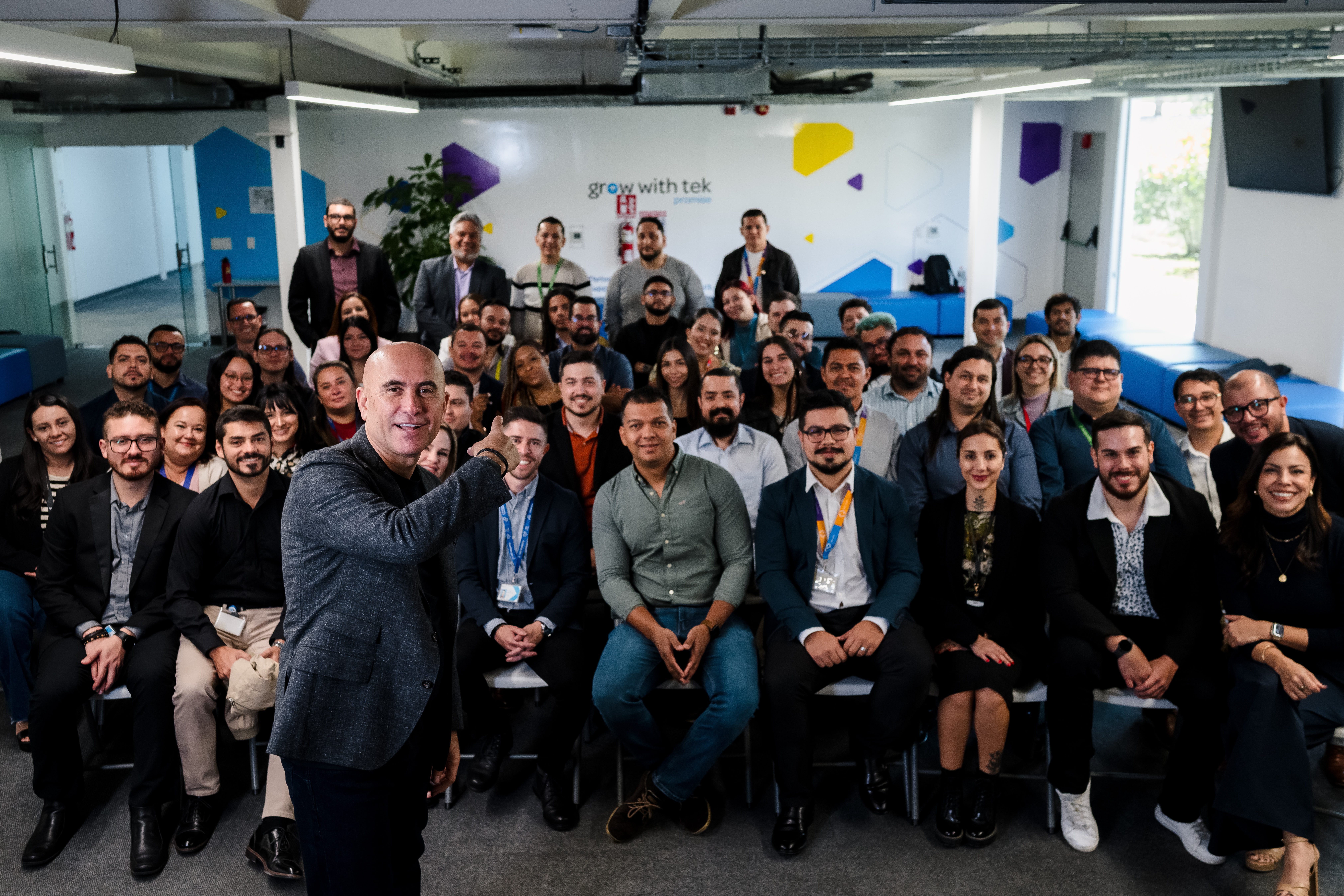
TeKnowledge, a global technology services company with over 13 years in Costa Rica, has announced the opening of its new offices in Tejar del Guarco, Cartago, reinforcing its commitment to local employment and technological development. This expansion brings 100 new job opportunities for those looking to start a career in technology.
Teknowledge’s new site is a 3,000-square-meter free trade zone facility, and will house teams providing 24/7 technical support, cybersecurity solutions, automation services, and digital training programs.
Manuel Tovar, Minister of Foreign Trade commented: “Since its establishment in Costa Rica over 13 years ago, we have witnessed TeKnowledge’s steady growth, a reflection of its strong commitment and trust in our country. We are pleased that they continue to choose Costa Rica for their expansion and the development of new service lines. This growth, bringing 100 new job opportunities for Costa Rican talent, is a clear sign of the tech sector’s dynamism and strategic role in our economy.”
Laura López, General Manager of the Costa Rican Trade Promotion Agency (PROCOMER) added: “Strengthening Costa Rica’s tech ecosystem is essential for the country’s economic growth. TeKnowledge’s expansion in Cartago supports this goal by creating jobs and advancing digital skills development to meet current and future market demands. Additionally, with the opening of its new offices, the company is offering quality job opportunities to more people, including graduates from technical highschools.”
New Job Openings for Tech Enthusiasts
These new hires support a growing business line and are aimed at individuals interested in the tech industry. TeKnowledge is looking for candidates with skills in technical support and customer service. The requirements include:
- Basic knowledge of IT, networks, or technical support.
- Strong problem-solving and customer service skills.
- Intermediate to advanced English proficiency (B1/B2 or higher) for roles interacting with international clients.
- Availability to work rotating shifts in a dynamic environment.
- No prior experience required (though it’s a plus).
How to Apply:
Interested candidates can apply online through the following link. Additionally, the recruitment team is hosting an in-person Open House on April 2 from 9:00 a.m. at the new offices, located next to the Dekra facility in Cartago.
During the event, recruiters will conduct interviews and skill assessments, including language proficiency tests when applicable. Selected candidates will be contacted within 48 hours, ensuring a fast-hiring process.
Author: No Author
Omantel has announced a partnership with TeKnowledge, a global leader in AI, Customer Experience, and Cybersecurity solutions, to launch an advanced AI and Data Science skilling program for its employees. This initiative aims to equip Omantel’s workforce with advanced digital skills, supporting digital transformation, economic diversification, and future technology capabilities development.
By investing in AI, data analytics, and digital skills training, Omantel continues to strengthen its position as the Sultanate’s leading technology and innovation company. The collaboration with TeKnowledge will accelerate AI and data science training across Omantel’s technology, operations, and commercial divisions, enabling employees to tackle real-world challenges and explore new opportunities. The program combines onsite training at Omantel’s headquarters with virtual learning, ensuring an interactive and hands-on experience for all participants.
Mohammed Ahmed Al-Riyami, General Manager of Talent Management at Omantel, emphasized the importance of this initiative: “AI and data science are at the core of Omantel’s strategy to lead in AI-driven solutions, foster innovation, and enable sustainable digital transformation. By equipping our teams with future-ready AI capabilities, we are not only enhancing customer experiences but also positioning Oman as a leading digital economy. This initiative reaffirms our commitment to building an AI-driven ecosystem that accelerates technological advancement and unlocks new opportunities for growth.”
Ayman Majzoub, VP of Sales META at TeKnowledge, commented saying: “This collaboration with Omantel demonstrates how digital skilling should be done—learning, innovating, and applying AI solutions to real-world business challenges. We appreciate Omantel’s trust in TeKnowledge and share their commitment to driving sustainable innovation and economic growth.”
As Oman accelerates its transition into a digital economy, Omantel is proactively upskilling its workforce, positioning itself as a regional leader in AI-powered services, while driving sustainable growth and innovation. As a global partner of Microsoft, TeKnowledge is dedicated to advancing AI and digital skills training in Oman alongside its comprehensive technology services. Through its global partnership with Microsoft, TeKnowledge delivers large-scale skilling programs, including national Copilot skilling initiatives, enabling businesses and government entities to leverage AI-driven digital transformation in the workplace.
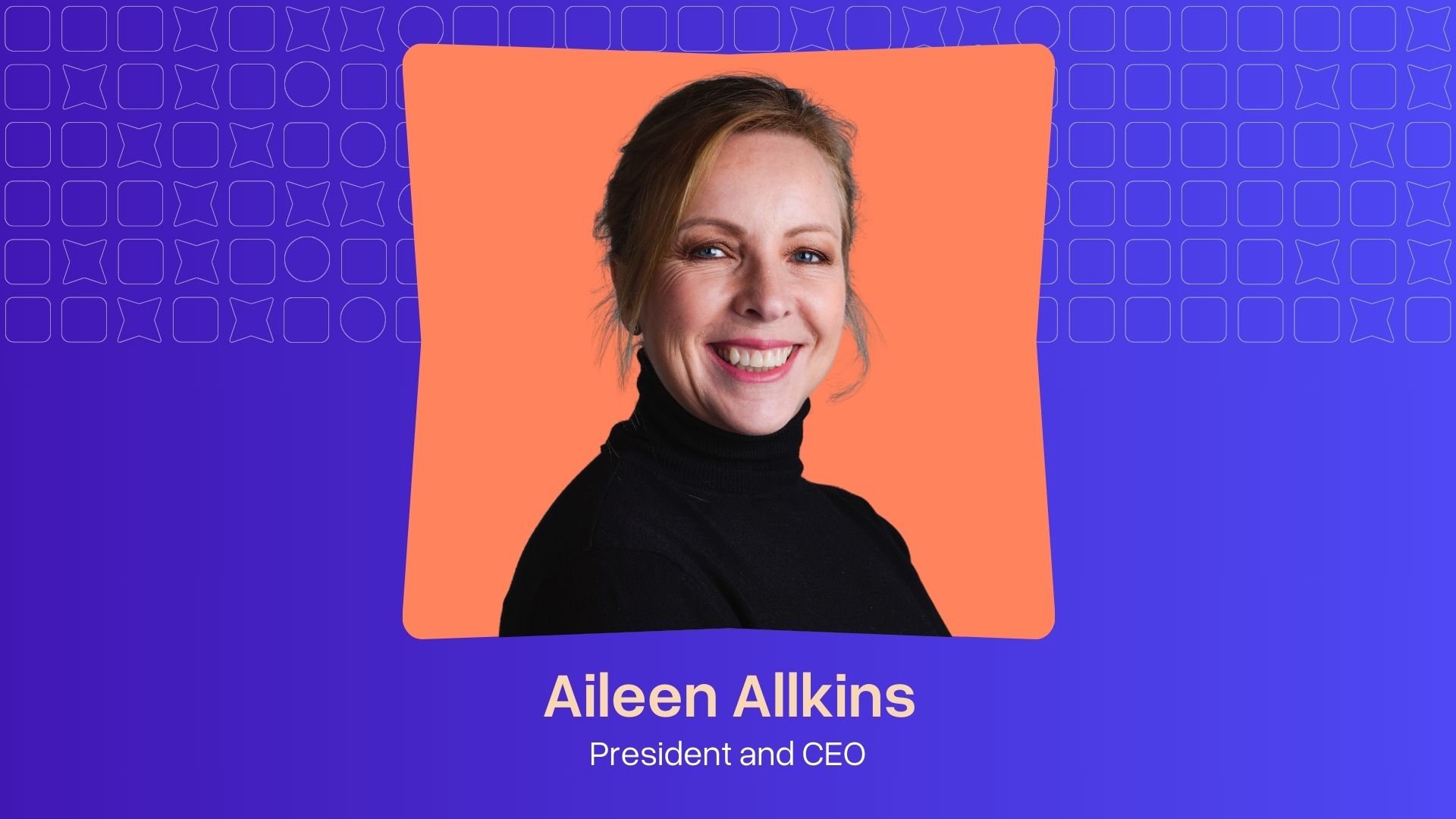
Author: Aileen Allkins
Customer experience is evolving faster than ever. AI, automation, and cloud technology are no longer optional—they’re the foundation of how businesses connect with customers, strengthen relationships, and drive growth. But true transformation happens when expertise, strategy, and execution come together to create seamless, AI-powered engagement that works for businesses and the people they serve.
That’s why TeKnowledge and Genesys are joining forces. We share a vision: delivering AI-first customer experiences that are intelligent, seamless, and scalable. Together, we help enterprises move beyond simply adopting AI-powered CX—to fully integrating, optimizing, and leading in a digital-first world
Building the Future of CX – Together
With the Genesys Cloud™ platform, organizations can orchestrate AI-driven experiences that blend automation with real-time engagement, enhancing every step of the customer journey. TeKnowledge ensures these capabilities are implemented seamlessly, integrated securely, and optimized for long-term success—giving businesses the confidence to scale their transformation without disruption.
By combining our strengths, we take a 360° approach to customer experience transformation, helping organizations embrace AI-powered CX for efficiency, engagement, and sustainable growth.
Three Pillars of Our Collaboration:
1. Smarter, Safer, and Scalable CX
Customer expectations continue to rise, and businesses need solutions that keep them ahead. Genesys leads the way in AI-powered experience orchestration, enabling organizations all over the world to anticipate customer needs, personalize interactions, and deliver seamless engagement across channels.
TeKnowledge ensures AI adoption is secure, compliant, and scalable, aligning every transformation with enterprise security, risk management, and industry regulations. With a global team of over 6,000 experts across 19+ hubs, we help organizations scale AI-driven CX while maintaining consistency, reliability, and trust.
Together, we help organizations turn AI-powered CX into a strategic advantage—strengthening customer relationships, boosting efficiency, and delivering measurable impact.
2. Seamless AI Integration: From Strategy to Execution
AI-powered CX requires more than just technology—it demands structured execution, continuous optimization, and a smooth transition. Genesys Cloud provides a unified platform that enhances both customer and employee experiences, streamlining interactions with agility and intelligence.
TeKnowledge supports businesses at every stage of their transformation, offering advisory, professional, and managed services to ensure smooth AI adoption. Our expertise in CX strategy, AI automation, security, and process optimization helps enterprises integrate AI-driven engagement in ways that enhance efficiency, responsiveness, and flexibility.
Together, we ensure organizations have a future-ready approach to CX transformation, keeping them ahead in a fast-changing digital world.
3. Empowering Teams for the AI-Driven Future of CX
Technology is only as powerful as the people who use it. AI-driven CX transformation succeeds when businesses empower their teams with the right skills, tools, and insights.
Genesys equips organizations with real-time AI capabilities that help them listen, predict, act, learn, and optimize customer experiences. TeKnowledge complements this with structured talent skilling programs, ensuring teams are trained to maximize Genesys Cloud capabilities and deliver AI-driven experiences across the end-to-end customer journey.
Together, we help businesses build a workforce that can fully leverage AI, driving long-term CX success.
A Future Built on Shared Commitment
For years, TeKnowledge has been a trusted partner to enterprises and governments, ensuring technology adoption is seamless, secure, and impactful. Our relationship with Genesys extends that commitment—helping our customers not only implement AI-powered CX solutions but also use them effectively to drive long-term growth.
Genesys, a leader in AI-powered experience orchestration, brings cloud capabilities that enable businesses to create personalized, efficient, and scalable customer interactions. By combining Genesys Cloud ™ with TeKnowledge’s deep technical expertise and security-first approach, we provide organizations with the support they need to maximize AI-driven customer engagement.
This announcement represents a new chapter for TeKnowledge—expanding our role from a technology services leader to a full-scale, 360° solutions provider. It strengthens our ability to help customers modernize, secure, and scale their customer experience strategies in ways that truly matter.
But this is just the beginning.
What’s Next: Growing Together Through Innovation
Our relationship with Genesys is part of a broader strategy—one that reflects our commitment to collaboration, innovation, and human-centered solutions that deliver real business value.
Our mission is clear:
- Empower businesses with expert-driven technology services that enable seamless adoption, real impact, and long-term progress.
- Simplify complex technology by turning it into a practical, powerful enabler of business success.
- Drive continuous innovation and collaboration, helping businesses stay ahead, adapt, and lead with confidence.
We make tech works for businesses and the people they serve. Our approach helps ensure organizations have the expertise, security, and execution they need to move forward with clarity and confidence.
To our customers – this collaboration is for you. It reflects our shared commitment to delivering technology that works, expertise that guides, and strategies that create lasting impact. Because at the heart of everything we do, our commitment is to the businesses that rely on technology, the people who use it, and the future we’re building together.
Author: No Author
New go-to-market relationship to help organizations realize enhanced business value through advanced AI capabilities, seamless adoption and continuous optimization
SAN FRANCISCO and COLORADO SPRINGS, COLO., March 11, 2025 – Genesys®, a global cloud leader in AI-Powered Experience Orchestration, and TeKnowledge, a global company providing expert technology services for AI, Customer Experience and Cybersecurity, today announced a strategic go-to-market relationship. The companies are working together to help organizations drive long-term business success through seamless adoption of secure, scalable and flexible AI-first customer experience (CX) solutions.
Through the collaboration, organizations can accelerate their cloud transformation using the advanced customer and employee experience capabilities of the Genesys Cloud™ platform with embedded AI, continuous innovation and global scale, combined with the expertise of TeKnowledge in advisory and professional services, digital skilling, adoption, and managed services.
“We’re working with Genesys because of its strong focus on innovation, customer-centricity and a clear vision for the future of AI — making them the ideal partner for enterprises looking to modernize CX with confidence through advanced experience orchestration. Genesys has built a partner model that drives greater value for everyone involved, providing the tools, support, and flexibility needed to create real impact—whether it’s accelerating AI adoption, strengthening security, or equipping teams with the right skills for the future,” said Aileen Allkins, President and CEO of TeKnowledge.
“TeKnowledge stands out for its customer-focus and deep experience helping companies reliably navigate the complexities of moving from legacy on-premises systems to a future of innovation in the cloud,” said Larry Shurtz, chief sales officer of Genesys. “Its expertise in AI, cybersecurity, and professional, skilling and managed services helps us enhance the value we provide to Genesys Cloud customers, making adoption smoother and ongoing improvements easier.”
Trusted by businesses of all sizes in over 100 countries, Genesys delivers industry-leading AI and digital solutions through Genesys Cloud that enable organizations to scale personalized, end-to-end customer experiences. With AI everywhere powering omnichannel engagement, intelligent routing, built-in workforce engagement and end-to-end journey management, Genesys Cloud provides organizations a single, secure and scalable platform built to help global enterprises improve customer experiences, employee efficiency and business ROI.
Organizations can leverage TeKnowledge’s 19+ global hubs and 6,000+ experts, ensuring a standardized, scalable approach to AI-powered CX transformation. TeKnowledge’s professional and managed services bridge the gap between vision and execution, aligning CX innovation with enterprise change management, security, and adoption to deliver measurable business impact and long-term success.
Together, TeKnowledge and Genesys are working to redefine CX by combining powerful technology with structured adoption strategies, helping enterprises move beyond deployment to fully operationalize AI, automation and workforce skilling to accelerate value.
“Reaching the full transformational potential of an AI-driven customer experience portfolio is a journey for enterprises that requires leveraging the deep expertise of valued partners,” said Bernie Arnason, industry director, ICT of Frost & Sullivan. “By combining the industry-leading cloud and AI capabilities of Genesys with TeKnowledge’s vast experience in advisory, professional and managed services, organizations can accelerate this transformation with confidence. This collaboration ensures businesses have the strategic guidance, security and scalability needed to drive long-term success in an evolving digital landscape.”
Learn more about how TeKnowledge and Genesys are transforming AI-driven customer experiences on the TeKnowledge blog.
________________
About Genesys
Genesys empowers more than 8,000 organizations in over 100 countries to improve loyalty and business outcomes by creating the best experiences for their customers and employees. Through Genesys Cloud, the AI-Powered Experience Orchestration platform, Genesys delivers the future of CX to organizations of all sizes so they can provide empathetic, personalized experience at scale. As the trusted platform that is born in the cloud, Genesys Cloud helps organizations accelerate growth by enabling them to differentiate with the right customer experience at the right time, while driving stronger workforce engagement, efficiency and operational improvements. Visit www.genesys.com.
© 2025 Genesys. All rights reserved. Genesys, the Genesys logo, Genesys Cloud, Genesys Cloud CX, GCXNow, Experience as a Service, Radarr and AppFoundry are trademarks, service marks and/or registered trademarks of Genesys. All other company names and logos may be registered trademarks or trademarks of their respective companies.
About TeKnowledge
Founded in 2010, TeKnowledge provides expert technology services for AI, Customer Experience and Cyber Security that empower businesses and governments through technology. With a deep expertise, strong customer and people centric focus, and strategic partnerships, TeKnowledge has grown organically into a trusted partner for enterprises and governments worldwide across 19+ global hubs, supported by a team of 6000+ experts. Through its comprehensive services approach—spanning Advisory & Professional Services, Skilling & Adoption and Managed Services—TeKnowledge ensures seamless technology adoption and continuous progress for its customers. Visit www.teknowledge.tempurl.host.
Media Contacts:
Genesys
Marielle Sedin
TeKnowledge:
Iman Ghorayeb
iman.ghorayeb@teknowledge.tempurl.host
Author: No Author
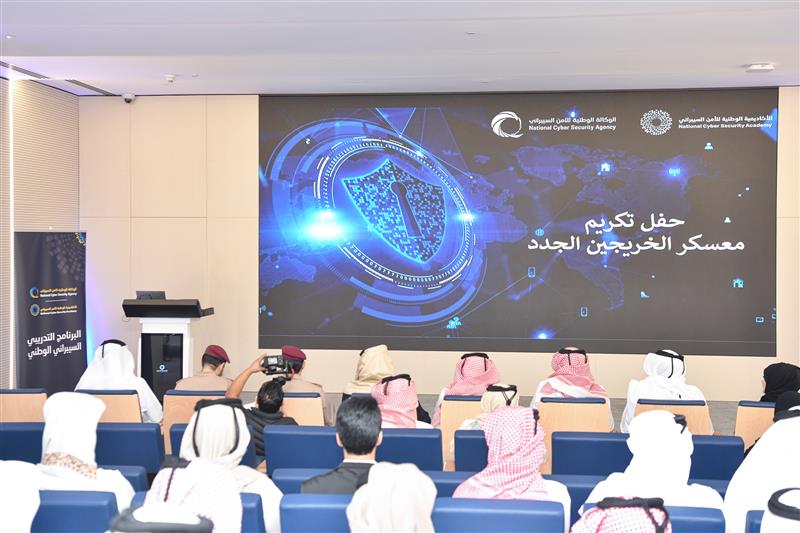
As part of its ongoing commitment to enhancing cybersecurity capabilities at national and societal levels, and in alignment with its mission to foster a secure operational environment for state institutions, the National Cybersecurity Agency (NCSA) partnered with TeKnowledge to deliver the Fresh Graduates Training Bootcamp. This strategic initiative equips national talent with the skills needed to address the ever-evolving challenges in cybersecurity. The training, delivered by TeKnowledge at the Digital Center of Excellence in Msheireb, combined hands-on learning with continuous assessments, ensuring a comprehensive development experience for participants.
The programme included recent graduates from local and international universities specialising in Information Technology and Cybersecurity. With TeKnowledge’s industry-leading expertise, the training followed a structured, multi-tiered approach. The foundation phase covered essential topics such as Cybersecurity Essentials and Linux Basics, establishing a strong technical base. The intermediate phase advanced participants’ knowledge through industry-recognised certifications, including Cisco Certified Network Associate (CCNA), CompTIA Security+, and Cybersecurity Analyst (CySA+). In addition to technical training, the programme also focused on professional skills development, enhancing participants’ research, writing, creative thinking, and teamwork capabilities.
Furthermore, TeKnowledge provided tailored learning paths, allowing participants to specialise in advanced career tracks such as Penetration Testing and Security Operations Center (SOC) Analysis. These career tracks were reinforced by practical, real-world cybersecurity training, including:
Cyber Range Simulations – where participants tackled simulated cyberattacks and assessed digital defences in real time.
Cyberthon Challenges – intensive exercises designed to test their ability to apply newly acquired skills in complex cybersecurity scenarios.
This partnership between NCSA and TeKnowledge underscores a shared commitment to strengthening national cybersecurity capabilities. By advancing technical education, supporting research, and fostering innovation, we remain dedicated to developing the next generation of cybersecurity professionals and contributing to a secure and digitally resilient society.

Author: No Author
TeKnowledge at the Smart Banking Summit Nigeria 2024: Strengthening Cybersecurity, Enhancing Services, and Developing Talent
TeKnowledge proudly participated in the Smart Banking Summit Nigeria, held at Four Points by Sheraton, Lagos, alongside industry leaders, innovators, and professionals. This two-day event was a remarkable success, featuring insightful discussions, cutting-edge solutions, and expert-led panels that addressed the challenges and opportunities within the rapidly evolving banking sector.
Representing TeKnowledge, Wale Adeyemi, Head of Executive Sales & Business Development for Nigeria & Africa, delivered a compelling session titled “The Smart Bank of Tomorrow: Strengthening Cybersecurity, Enhancing Services, and Developing Talent.” His presentation underscored the pivotal role of cybersecurity, customer service innovation, and talent development in shaping the future of smart banking.
TeKnowledge also hosted a booth that quickly became a focal point for attendees interested in exploring our innovative solutions. Our team engaged with numerous financial professionals, showcasing how TeKnowledge is driving advancements in cybersecurity, digital skilling, and managed services, while offering personalized interactions with our experts.
The summit highlighted critical topics such as AI, Cybersecurity, and Digital Transformation, with Wale Adeyemi emphasizing how TeKnowledge’s offerings help financial institutions navigate these transformative trends. His session sparked in-depth discussions on how the banking industry can future-proof itself through cutting-edge cybersecurity strategies, enhanced digital services, and a focus on developing skilled talent.
Other notable speakers included Dr. Harrison Nnaji, Chief Information Security Officer at FirstBank Nigeria, who addressed strengthening cybersecurity in banking, and Dr. Yele Okeremi, CEO of Precise Financial Systems, who provided key insights into the role of AI and big data in driving financial innovation.
TeKnowledge’s participation at the Smart Banking Summit reinforced our commitment to equipping organizations with the tools and expertise needed to succeed in the digital era. Through our engaging booth and leadership in delivering transformative tech and talent solutions, TeKnowledge’s impact on the financial industry was highlighted throughout the event.
Author: Aileen Allkins
Innovation is rarely a singular moment of genius. Instead, it is a continuum, a process where ideas build upon each other, shaped by collaboration, investment, and human ambition. Today’s transformative technologies—artificial intelligence, biotechnology, quantum computing—are no exception. They are not isolated breakthroughs but the result of centuries of human ingenuity.
Throughout history, the greatest advancements have been cumulative. Medicine evolved from traditional remedies to AI-assisted drug discovery, each step standing on the foundation of past knowledge. The Renaissance, often seen as a burst of creativity, was a culmination of centuries of intellectual exchange. Even in technology, today’s AI models are trained on decades of research in computing, mathematics, and neuroscience.
The discourse around emerging technologies often centres on competition—who leads, who lags, and who controls. Recent debates on innovation governance and technological influence highlight these tensions. But focusing solely on dominance risks missing the bigger picture: innovation is most powerful when it is inclusive and shared. The businesses that thrive are those that embrace this philosophy, fostering environments where knowledge, investment, and human talent converge to drive sustainable progress.
For enterprises, the lesson is clear. Rather than seeking disruption for its own sake, the real opportunity lies in being part of an evolving ecosystem—one that values collaboration over competition and progress over short-term gains. The future of innovation is not defined by single entities but by collective human effort. For businesses and individuals alike, the best way forward is to contribute, adapt, and build upon what has come before.
As Epictetus wisely said, “No great thing is created suddenly.” True progress requires patience, collaboration, and a commitment to the continuous evolution of ideas. Let’s embrace this mindset and shape the future together.